








Feeling dizzy can be frustrating and scary, especially if it happens often. Whether it’s a spinning sensation (vertigo), lightheadedness, or trouble with balance, finding the right doctor for your dizziness is the first step toward relief. But with so many types of specialists ENTs, neurologists, and even neurotologists it can be confusing to know who to see and what to expect.
The right doctor depends on whether you feel spinning, lightheadedness, imbalance or another type of dizziness, as well as the symptoms that occur with it. A general physician may be the first point of contact for blood pressure, medication or general medical causes. A Neurologist or neurotologist may be more appropriate when symptoms suggest an inner-ear, nerve or brain-related balance disorder.
Know More About Dizziness
- Could Your Dizziness Be Due to Migraines?
- Why Do I Feel Dizzy After Waking Up? Common Causes and Solutions
Understanding the Causes of Dizziness
Dizziness is just a symptom of an underlying disease. It is important to identify the cause of this symptom to treat it effectively. Below are some of the common causes of dizziness and vertigo:
- BPPV is a significant cause of dizziness due to crystals moving out of their proper place in the inner ear. When these crystals are displaced, sudden head movements, such as turning, bending, or rising quickly lead to vertigo and a spinning sensation.
- Another cause is sudden drop in blood pressure (orthostatic hypotension). People who have this condition can have a sudden drop in blood pressure, which leads to reduced blood flow to the brain. This can lead to dizziness or feeling lightheaded. This often occurs in older adults who take medicines for hypertension. This condition makes the person at a higher risk of falls as well.
- Inner ear infections, such as labyrinthitis and vestibular neuritis, can also lead to dizziness. These infections cause inflammation in the inner ear and balance nerve leading to severe vertigo.
- Certain medications, including those for blood pressure, anxiety, or sleep, can also cause dizziness as a side effect. If you notice dizziness after taking medication, talking to a doctor about possible alternatives may help.
- Vestibular migraines can also present with vertigo due to involvement of the vestibular nerve (balance nerve).
Types of Specialists for Dizziness
If you feel dizzy often, the right Dizziness doctor depends on what’s causing your dizziness. Here are some specialists who can help:
- Neurotologist (Dizziness & Balance Specialist) – This is the leading specialist for dizziness caused by ear and brain connection issues. A neurotologist possesses advanced training in both ENT and neurology, making them the foremost expert in treating dizziness and balance disorders. Consulting a neurotologist is the optimal choice if your dizziness is frequent or severe.
NeuroEquilibrium works with India’s largest network of neurotologists, making it easy for you to access expert care, complete diagnostic testing, and personalised treatment, all in one place. - ENT Specialist (Ear, Nose, and Throat Doctor) – If your dizziness is caused by an inner ear problem (like vertigo or Ménière’s disease), an ENT doctor can help.
NeuroEquilibrium partners with leading ENT doctors and provides advanced vestibular diagnostic tools, ensuring accurate evaluation and coordinated care. - General Physician (GP) – This is usually the first doctor you visit. They will check your symptoms and may refer you to a specialist.
- Neurologist – If your dizziness is linked to your brain, like migraines or nerve issues, a neurologist will check for conditions affecting the nervous system.
NeuroEquilibrium’s neurotologists work alongside neurologists to ensure comprehensive evaluations and rule out central causes of dizziness using tools like VNG.
- Vestibular Therapist – If your dizziness is related to balance issues, a vestibular therapist can guide you through special exercises to help improve your stability.
NeuroEquilibrium offers guided vestibular rehabilitation programs, both in-clinic and digitally, with expert therapists who tailor the plan to your diagnosis and progress.
Which Dizziness Doctor Should You Choose?
| Your symptom pattern or situation | Doctor or specialist to consider | Why this may be the right starting point |
| Lightheadedness, faintness, blood pressure changes, weakness or dizziness after starting a medicine | General Physician | A general physician can review blood pressure, medicines and broader medical causes, and arrange a referral if specialist assessment is needed. |
| Dizziness with ear pain, infection, hearing changes, tinnitus or ear fullness | ENT Specialist | An ENT doctor can examine the ear and assess whether an ear-related condition may be contributing to the symptoms. |
| Recurring spinning, movement-triggered vertigo, unexplained imbalance or symptoms that continue despite initial treatment | Neurotologist or Vertigo Specialist | A specialist can assess how the inner ear, eyes, nerves and brain work together to maintain balance. |
| Dizziness associated with migraine, nerve symptoms or a known neurological condition | Neurologist | A neurologist can evaluate migraine-related and other neurological causes of dizziness. |
| Balance difficulty or movement sensitivity after a diagnosis has been established | Vestibular Therapist | A therapist can provide diagnosis-specific rehabilitation to improve balance, visual stability and movement tolerance. |
| Sudden dizziness with neurological warning signs or sudden hearing loss | Emergency medical care | Do not wait for a routine specialist appointment when emergency warning signs are present. |
The precise titles, qualifications, and referral pathways may vary between doctors and healthcare systems. Choose a doctor based on their verified training and experience in dizziness and vestibular disorders rather than relying only on the job title.
It’s common for vestibular conditions to need more than one round of treatment before symptoms settle. Needing a follow-up or a specialist referral doesn’t mean something has gone wrong it simply means your care team has more information to work with.
When Is a Specialist Referral Needed?
Referrals are a normal, common part of dizziness care most patients see more than one type of doctor before finding the right treatment. A referral to a vertigo or balance specialist may be appropriate when:
- Dizziness or vertigo keeps returning
- Symptoms continue for weeks or months
- Turning in bed, looking up or bending repeatedly triggers spinning
- You have unexplained imbalance or repeated falls
- Dizziness occurs with tinnitus, ear fullness or hearing changes
- Migraine treatment does not fully explain or control the dizziness
- Routine ENT, neurological or imaging assessments have not identified the cause
- Medicines provide only temporary relief
- The symptoms interfere with walking, work, driving or normal daily activities
Diagnostic Tests and What to Expect with a Vertigo Specialist Visit
Vertigo specialists conduct tests on patients who experience dizziness or balance issues to identify their symptom origins. A complete diagnostic process involves tests that examine your ears and brain and general health status to identify the source of your symptoms.
1. Videonystagmography (VNG) – Eye Movement Test
What it is: You wear special goggles that track your eye movements while you follow moving lights or move your head in different directions.
What it checks: Inner ear problems like BPPV (Benign Paroxysmal Positional Vertigo) or issues with the vestibular nerve.
Why it matters: Your inner ear helps control balance, and abnormal eye movements (nystagmus) can signal a problem in your vestibular system.
2. Subjective Visual Vertical (SVV) – Perception of Verticality
What it is: You look at a tilted line on a screen and adjust it to what you think is “straight up.”
What it checks: Function of the otolith organs in your inner ear, which help you sense head position and gravity.
Why it matters: If your sense of vertical is off, it can point to problems in your balance system, especially after vestibular injury.
3. Dynamic Visual Acuity (DVA) – Visual Stability Test
What it is: You try to read letters on a screen while your head is moving side to side.
What it checks: How well your eyes stay focused during motion, which is controlled by the vestibulo-ocular reflex (VOR).
Why it matters: People with vestibular disorders often have trouble seeing clearly when they move. This test shows if your VOR is working properly.

4. Audiometry – Hearing Test
What it is: You wear headphones and listen to a series of sounds or tones, then respond when you hear them.
What it checks: Hearing loss, Ménière’s disease, or damage to the cochlea (inner ear).
Why it matters: Hearing and balance are closely linked. Inner ear damage can affect both, so hearing tests are essential in diagnosing vertigo-related conditions.
5. MRI (Magnetic Resonance Imaging) – Brain Scan
What it is: A non-invasive scan using magnets and radio waves to take detailed pictures of your brain and inner ear.
What it checks: Structural causes like tumors, strokes, or nerve inflammation that might lead to dizziness or imbalance.
Why it matters: If physical tests don’t find the cause, an MRI helps rule out serious conditions that could be affecting your balance system.
Which Tests May Be Ordered?
Not every patient needs every test. The specialist selects tests according to the type, duration and triggers of the dizziness, along with any hearing, visual or neurological symptoms.
The assessment may begin with a medical history, ear examination, eye-movement assessment, balance examination, blood pressure check and positional tests. VNG, SVV, DVA, audiometry, posturography, vHIT, VEMP or imaging may then be considered when clinically appropriate.
A normal MRI does not evaluate every functional balance disorder, while an abnormal vestibular test does not always provide a complete diagnosis by itself.
How to Prepare for Your Dizziness Doctor Appointment
Bring the following information to help the doctor understand the pattern of your symptoms:
- When the dizziness first started
- Whether it feels like spinning, lightheadedness, rocking or imbalance
- How long each episode lasts
- What movements, environments or situations trigger it
- Whether it occurs when turning in bed or standing up
- Any hearing loss, tinnitus or ear fullness
- Any headache, light sensitivity, nausea or motion sickness
- Any falls, fainting or difficulty walking
- Recent infections, injuries or surgeries
- A complete list of prescription medicines, over-the-counter medicines and supplements
- Previous ENT, neurological, hearing, vestibular, blood test or imaging reports
If possible, keep a brief symptom diary before the appointment. Note the date, time, trigger, duration, associated symptoms and what helped the episode settle.
Prepare for doctor questions such as:
- What is the most likely cause of my dizziness?
- Do I need vestibular or hearing tests?
- Could any of my medicines be contributing?
- Do I need an ENT, neurologist or neurotologist referral?
- Which activities are safe while I remain dizzy?
- When should I seek urgent medical care?
How to Choose the Right Neurotologist
Finding the right neurotologist is essential to get the best care for dizziness and balance problems. Here are some key things to check before making a choice:
1. Check Credentials and Experience
A good neurotologist should have the following:
- Advanced training in both ear (ENT) and brain (neurology) disorders
- Experience in treating vestibular disorders, vertigo, and balance issues
- Certifications and membership in medical associations related to neurotology
At NeuroEquilibrium, we work with top neurotologists specializing in diagnosing and treating complex dizziness conditions using advanced technology.
2. Look for Specialists in Vestibular Disorders
Not all doctors focus on dizziness and balance issues. A neurotologist with expertise in vestibular disorders will have:
- Access to advanced vestibular testing like VNG, SVV and posturography
- A deep understanding of conditions like Ménière’s disease, vestibular migraine, and BPPV
- Customized treatment plans, including vestibular rehabilitation therapy (VRT)
At NeuroEquilibrium, our specialists use AI-powered diagnostic systems to accurately pinpoint the cause of dizziness, ensuring the best possible treatment.
3. Read Patient Reviews and Testimonials
Before choosing a neurotologist, check:
- Online reviews and ratings from patients who had dizziness treatment
- Success stories of patients with similar conditions
- Feedback on communication, treatment effectiveness, and overall experience
- Whether they offer holistic care — starting with a thorough examination and leading to a customised treatment plan, which may include vestibular rehab, repositioning maneuvers, medication, and counselling
4. Consider Location and Accessibility
Dizziness can make traveling difficult, so choosing a nearby neurotologist or a clinic with telemedicine options can be helpful. NeuroEquilibrium has a vast network of clinics and remote diagnosis capabilities, making expert care accessible no matter where you are.
How NeuroEquilibrium Can Help
At NeuroEquilibrium, we specialize in diagnosing and treating dizziness with:
- Expert neurotologists and vestibular specialists
- State-of-the-art AI-powered vestibular testing
- Personalized treatment plans for long-term relief
- Nationwide clinic network and teleconsultation options
Verified Ways to Book an Appointment
You can book through the following routes:
1. Online appointment form: Use the official NeuroEquilibrium appointment page and enter your name and phone number.
2. Phone: Call 9266125888 to request a clinic or specialist appointment.
When Is Dizziness an Emergency?
Do not wait for a routine specialist appointment when dizziness or vertigo begins suddenly and occurs with:
- Facial drooping
- Weakness or numbness in an arm or leg
- Slurred speech or difficulty understanding speech
- Double vision or sudden loss of vision
- Severe loss of balance or coordination
- Difficulty walking or standing
- Loss of consciousness
- A sudden, unusually severe headache
- Chest pain or severe breathing difficulty
- Sudden hearing loss
These symptoms may require immediate emergency assessment. Sudden hearing loss should also be treated as a medical emergency rather than being assumed to be ear blockage or routine vertigo.
Conclusion
Choosing the correct physician is essential for enhancing your daily life when experiencing dizziness. A Neurotologist specializing in ENT and neurology offers the most appropriate care for dizziness-related conditions. Referrals, credential checks, reading reviews, and diagnostic assessments will assist you in finding a suitable doctor for your treatment and recovery.
If you or someone you know is dealing with dizziness, connect with the Neuroequilibrium clinic near you today. Book an appointment today.
Sources
- Mantokoudis G., et al. (2024). What neuro-otology specialists need for better care of dizzy patients. PMC. https://pmc.ncbi.nlm.nih.gov/articles/PMC10800397/
- Stanton M., et al. (2023). Vertigo in Clinical Practice: Evidence-Based Diagnosis and Management. NCBI Bookshelf. https://www.ncbi.nlm.nih.gov/books/NBK482356/
- “Dizziness, Vertigo and Balance Disorders.” Better Health Channel (Victoria, Australia). https://www.betterhealth.vic.gov.au/health/conditionsandtreatments/dizziness-and-vertigo
- “Diagnosing Vertigo.” NYU Langone Health. https://nyulangone.org/conditions/vertigo/diagnosis
- “Which doctor to see for dizziness?” OneWelbeck (UK health guidance). https://onewelbeck.com/news/which-doctor-to-see-for-dizziness/
- “If You Are Experiencing Dizziness.” University of Utah — Neurology ‘Dizzy School’ resource. https://medicine.utah.edu/neurology/education/dizzy-school/finding-answers
Frequently Asked Questions
What type of doctor should I see for dizziness?
Neurotologists will be the right dizziness doctor. They integrate expertise from ENT and neurology and can identify and manage conditions that affect the inner ear and balance systems.
Book a consultation at your nearest NeuroEquilibrium Clinic today.
How do I know if my dizziness is serious?
You need immediate medical care when dizziness lasts excessively and you experience symptoms like hearing loss or vision changes or speaking problems or fainting episodes.
Book a consultation at your nearest NeuroEquilibrium Clinic today.
Can dizziness be treated without medication?
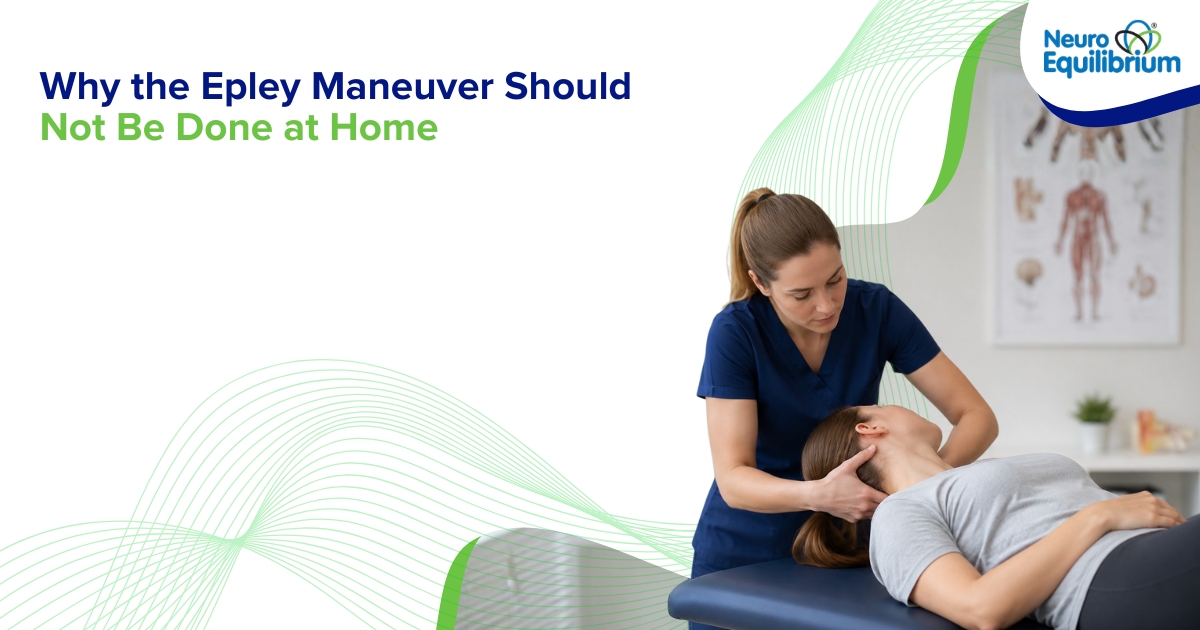
Dizziness management involves vestibular rehabilitation therapy, lifestyle adjustments, and using the Epley maneuver for BPPV cases. Treatment varies based on the underlying cause of the condition.
Book a consultation at your nearest NeuroEquilibrium Clinic today.
What tests are used to diagnose dizziness?
Videonystagmography (VNG), rotary chair testing, posturography, and hearing tests are diagnostic assessments that healthcare providers use to identify the root cause of dizziness.
Book a consultation at your nearest NeuroEquilibrium Clinic today.