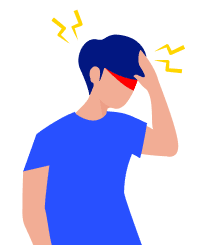
Vestibular Migraine is a form of migraine that affects the Vestibular Nerve. Like migraine, Vestibular migraine also affects women more than men and is prevalent in young and middle-aged people. In some cases, it may also occur in children. This disorder affects the day-to-day life of patients and may lead to anxiety because of the dizziness.
The main symptom of a vestibular migraine is recurrent spells of dizziness that may last for a few seconds to days. Vestibular Migraine patients often complain of headaches before, during or after the dizzy spells though not all vestibular migraine patients have headaches.
A comprehensive vertigo workup is essential to diagnose the cause of dizziness or vertigo. This workup typically includes the following tests:
Neurologists and Neuro-otologists are specialized in diagnosing and treating vestibular migraine.
Medical treatment often focuses on migraine prevention and balance stabilization, but long-term care usually combines clinic-based treatment with home-based strategies.
Vestibular migraine treatment at home focuses on reducing triggers, stabilizing the nervous system, and supporting balance recovery. These measures do not replace medical care but significantly improve symptom control when followed consistently.
Common triggers include:
Keeping a symptom diary helps identify personal triggers.
Consistency is one of the most effective home strategies for vestibular migraine.
These support vestibular compensation without overstimulation.
Stress is one of the strongest triggers for vestibular migraine attacks.
While vestibular migraine treatment at home helps reduce attack frequency, medical evaluation is essential if:
In such cases, preventive medications and structured vestibular rehabilitation may be required.
Vestibular migraine is a chronic neurological condition that affects balance, comfort, and quality of life. Early diagnosis and structured treatment are essential.
Combining medical care with vestibular migraine treatment at home empowers patients to regain control, reduce symptom severity, and improve long-term stability.
A vestibular rehab plan for vestibular migraine should be gradual and personalized. It may include trigger tracking, sleep and hydration routines, gentle gaze-stability exercises, balance training, visual motion tolerance exercises, walking tasks, and a maintenance program. NeuroEquilibrium recommends that vestibular migraine rehab should not be aggressive, because overdoing exercises can trigger symptoms. A specialist evaluation helps decide the right intensity and progression.
Recurring Headaches with dizziness? Schedule your appointment today to get to the root cause.