





Location Icon
9266125888

Get Expert Vertigo & Dizziness Treatment Near You- 300+ Locations

1,50,000+

patients treated

Book Your Consultation

divider
banner-divider

5% of the people worldwide suffer from Chronic Vertigo

Vertigo (Chakkar) and Dizziness are only symptoms, they maybe due to
more than 40 diseases of the ear and brain

*Epidemiology of vestibular vertigo H. K. Neuhauser (Link)

Divider border Icon
divider Border icon

Three Steps to a Dizzy-Free Life

Recommended by
India's best ENTs and Neurologists

Nationwide care with 300+ partner clinics in 90+ cities.

Find your city and schedule your consultation today.

Visit a NeuroEquilibrium Clinic today!

  • Complete vestibular evaluation
  • Same-day diagnosis in most cases
  • Personalized treatment plan

divider
banner-divider

Our Patients Say

First step to Vertigo free life!

Divider border Icon
divider Border icon

Our Recent Blogs

Frequently Asked Questions

What is Vertigo?

Vertigo is a feeling of spinning or imbalance (chakkar). Patients may describe it in different ways like spinning, dizziness, giddiness, imbalance, rocking or feeling that they may fall. Vertigo can present as acute attacks or recurrent episodes.

Vertigo can be caused by many kinds of disorders of the balance system. Most commonly they are due to inner ear problems. They may also be due to central nervous system, systemic disorders like inadequately controlled BP or psychological disorders. Amongst the commoner causes are disorders like Benign Paroxysmal Positional Vertigo (BPPV), Meniere’s disease, Vestibular migraine, Labyrinthitis, Vestibular neuritis, head injury stroke, etc.

BPPV (Benign Paroxysmal Positional Vertigo) is one of the most common causes of vertigo. In this condition, the patient complains of spinning on getting up from bed or turning the head to certain positions. BPPV is caused by a displaced calcium carbonate crystals with the inner ear. It is treated by identifying the position of the crystals in the ear and repositioning them with specific exercises (maneuvers).

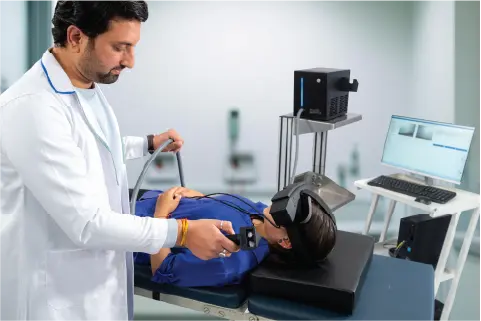
VNG or video nystagmography is an important test to evaluate dizzy patients. High speed infra red cameras are used to record eye movements in different tests. The tests allow the doctor to check the functioning of different parts of the balance system and their connections in the brain.

Vertigo is treatable ! A series of tests done by your doctor will help identify the cause of your vertigo. Once the cause is identified, treatment with medicines or rehabilitation exercises would be advised.

Any defect in the balance system resulting in vertigo, unsteadiness or imbalance will affect the day-to-day activities of the patient and diminish the quality of life. It may cause a drop in the confidence of the patient as well as induce a fear of falling or movement. Treating vertigo will help restore the balance and confidence of the patient. The fear of movements may cause the patient to restrict themselves to a sedentary lifestyle and lead to depression or anxiety.

Vertigo is treatable! Identifying the cause of your vertigo will help the doctor decide whether you require medicines or exercises to control your problem.

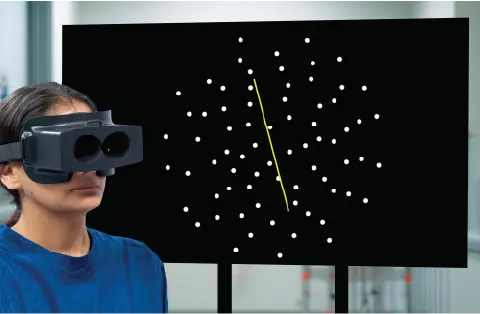
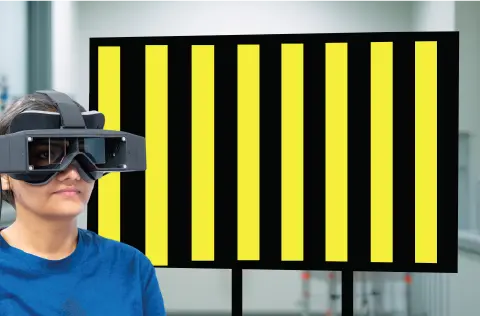
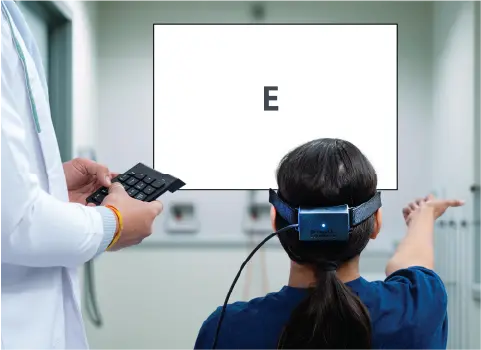
After a detailed history, the vertigo patient should undergo a thorough vestibular evaluation. This will include tests like Videonystagmography, Caloric test, Subjective Visual Vertical and Dynamic Visual Acuity. Some patients may require an MRI of the brain. Audiometric tests to measure the hearing function should also be done.

The fastest way to cure vertigo depends entirely on what is causing it. The most common type, BPPV (Benign Paroxysmal Positional Vertigo), can often be treated quickly with simple repositioning maneuvers, sometimes providing relief within one or two sessions. However, vertigo caused by infections, migraine, Ménière’s disease, or neurological conditions requires different treatments. That’s why accurate diagnosis is the key to fast recovery. Specialized centers like NeuroEquilibrium focus on advanced diagnostic testing such as VNG, vHIT, and computerized posturography to identify the exact cause and provide targeted treatment, including vestibular rehabilitation therapy. When treatment matches the root cause, recovery is much faster and long-lasting.

Vertigo flare-ups can occur due to sudden head movements, changes in position, stress, lack of sleep, dehydration, migraine triggers, inner ear infections, or even high salt intake in conditions like Ménière’s disease. In many cases, flare-ups happen because the underlying issue hasn’t been properly evaluated or fully treated. A detailed balance assessment can help identify whether the symptoms are coming from the inner ear, vestibular nerve, migraine, or another neurological cause. Clinics such as NeuroEquilibrium offer comprehensive balance disorder evaluations and customized management plans that help reduce recurrent attacks by addressing the real trigger rather than just suppressing symptoms.

While it may feel safer to lie down during a severe spinning episode, prolonged bed rest is usually not recommended. Short-term rest can help prevent falls when symptoms are intense, but staying in bed for too long can delay recovery. The brain needs gentle movement to readjust and recalibrate balance signals. Gradual activity and guided vestibular exercises often speed up recovery more effectively than complete rest. Always move carefully and seek medical advice if symptoms are severe or persistent.

The duration of vertigo depends on its cause. BPPV episodes usually last a few seconds to minutes and are triggered by head movements. Vestibular neuritis may cause continuous dizziness for several days, followed by gradual improvement over weeks. Ménière’s disease episodes can last from 20 minutes to several hours. Migraine-related vertigo may last minutes, hours, or occasionally days. If vertigo persists beyond a few days, worsens, or keeps recurring, it’s important to get a professional evaluation to prevent chronic imbalance.

Vertigo occurs when there is a mismatch in signals between the inner ear (vestibular system), the eyes, and the brain. Common root causes include displaced inner ear crystals (BPPV), infections, vestibular nerve inflammation, migraine disorders, Ménière’s disease, anxiety-related dizziness, or neurological conditions. Because multiple systems are involved in maintaining balance, identifying the precise cause requires proper assessment. Treating the root cause, not just the spinning sensation is essential for long-term relief and prevention of future episodes.

footer-divider icon
divider
हिन्दीతెలుగు

Vertigo, Headaches, nausea, or ringing in your ears? Find its root cause.Talk to expert.


Vertigo, Headaches, nausea, or ringing in your ears? Find its root cause. Talk to expert.