


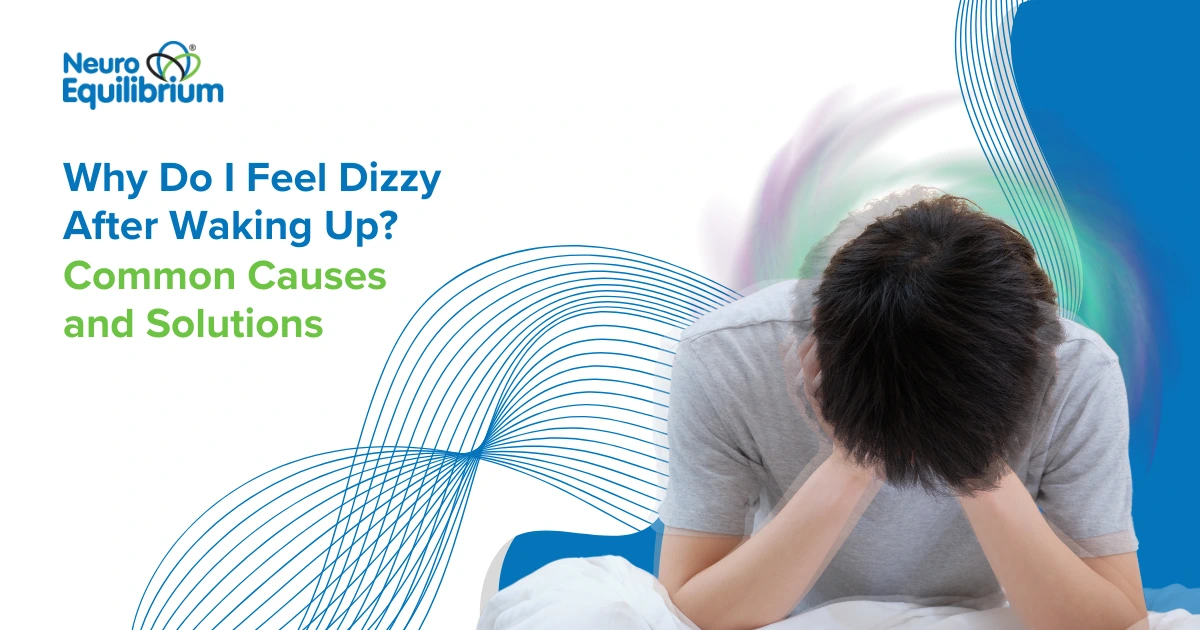





Have you ever experienced after waking up, turning or sitting up in bed? Dizziness in the mornings or change in can be due to many reasons. Many patients report experiencing dizziness upon waking in the morning, particularly when they sit up or turn in bed. This sensation often occurs due to sudden changes in head position, which can temporarily disturb the inner ear’s balance mechanisms.
It is important to know the cause of morning dizziness, as it could be due to ear or brain issues. Understanding the underlying cause will help one seek the right ways of dealing with the symptoms. Dizziness may be a chronic condition as well. A specialist doctor can properly diagnose and recommend the most effective treatment plan.
Dizziness experienced on waking up needs medical attention. It may indicate inner ear (vestibular dysfunction) or brain (neurological) issues. It may sometimes be accompanied by other symptoms such as headaches, blurred vision, or difficulty in walking. Seeking help from a healthcare professional or clinics like NeuroEquilibrium for proper diagnosis and treatment is advisable.
Common Causes of Dizziness After Waking Up
Below, we explore some of the most common causes.
1. Benign Paroxysmal Positional Vertigo (BPPV)
Triggering Movements
BPPV is one of the most common causes of dizziness, especially in the morning. It is triggered by sudden changes in head position, such as turning over in bed or getting up after lying down. Moving your head in specific ways can lead to brief but intense episodes of spinning sensations (vertigo).
For many individuals, this condition explains why dizziness occurs after waking up, particularly when changing positions in bed in the morning.
Role of Displaced Crystals
BPPV is caused by tiny calcium carbonate crystals that become dislodged from their normal position in the utricle (a part of the inner ear). They end up in one of the semicircular canals in the inner ear. The movement of these crystals disrupt the normal fluid flow in the canals, sending false signals about your body’s position to the brain, resulting in vertigo.
This can be more intense in the morning when the crystals get a chance to clump together. Symptoms of BPPV may include brief but intense episodes of spinning sensations (vertigo) when you change the position of your head like bending down, turning or getting up from bed.
While BPPV can affect anyone, it’s more prevalent in older adults. In fact, BPPV can cause instability and even increase the risk of falls in older patients. If you’re experiencing this, know that effective treatments are available.
The most likely cause depends on exactly when the dizziness begins:
- brief episodes of spinning triggered by specific head movements, such as rolling over in bed may suggest BPPV.
- Lightheadedness when you sit or stand after waking may be related to a drop in blood pressure, dehydration, low blood sugar or medicine effects.
- Dizziness that is already present before you move may be associated with migraine, an inner-ear disorder, poor sleep, sleep apnoea or another medical condition.
- Continuous severe vertigo, new hearing loss or dizziness with neurological symptoms requires prompt medical assessment. severe/new headache, difficulty speaking, weakness/numbness, double vision, fainting, chest pain or difficulty walking
Which Type of Morning Dizziness Do You Have?
| What happens after waking? | Pattern that may fit | Recommended next step |
| The room spins when you turn over, look up or sit up in bed. | BPPV may be possible, particularly when each episode lasts less than one minute. | Arrange positional testing to identify the affected ear and canal. |
| You feel faint or lightheaded when sitting up or standing. | Orthostatic hypotension, dehydration or a medicine effect may be contributing. | Sit down, rise gradually and arrange blood-pressure and medicine review if the pattern recurs. |
| You feel dizzy before moving your head or body. | Poor sleep, sleep apnoea, migraine, an inner-ear disorder or a general medical cause may need consideration. | Record associated symptoms and arrange an assessment if it is persistent or recurrent. |
| You feel shaky, sweaty, hungry or confused before breakfast. | Low blood glucose may be possible, particularly particularly in people taking diabetes medication. | Check blood glucose and follow the person’s prescribed hypoglycaemia plan. |
| You wake with vertigo, tinnitus, ear pressure or hearing loss. | An inner-ear disorder may need evaluation. | Arrange prompt ENT or vestibular assessment. Sudden hearing loss requires urgent care. |
2. Blood Pressure changes (Orthostatic Hypotension)
Blood Pressure drops
Patients with Orthostatic Hypotension experience drop in blood pressure upon moving from lying to standing position. This can result in dizziness, lightheadedness, or even fainting as on change of position, the blood supply to the brain is compromised.
This may cause symptoms such as dizziness after waking up, or brief lightheadedness when standing up quickly from sleep.
Solutions
Wait for a few seconds in sitting position before getting out of bed. A cardiologist evaluation should be done. The doctor may also need to review the medicines being taken for blood pressure. Sometimes water pills can aggravate this problem.
3. Labyrinthitis & Vestibular Neuritis
Inner ear infections like labyrinthitis and vestibular neuritis can lead to inflammation in the structures responsible for balance and hearing. This inflammation disrupts the signals sent from the inner ear to the brain, causing dizziness, vertigo, and balance problems.
Morning Dizziness
These infections can cause worse symptoms in the morning because the body’s position changes as you wake up and begin moving. Symptoms may include unsteadiness, a spinning sensation, or difficulty in walking.
Chronic Conditions
Recurring morning dizziness could indicate a chronic condition affecting the vestibular system. Seeking medical attention is essential for diagnosing and treating the underlying issue.
4. Medications
Dizziness as a Side Effect
Certain medications, such as those used to treat high blood pressure, anxiety, or insomnia, can cause dizziness as a side effect. Many of these medications can affect your body’s ability to regulate blood pressure or alter brain chemistry, leading to lightheadedness upon waking.
How medicines may cause morning dizziness
Symptoms may occur because a medicine:
- Lowers blood pressure, particularly when the person stands
- Causes overnight sedation or slowed reactions
- Affects coordination or balance
- Increases urination and contributes to dehydration
- Interacts with another medicine, supplement or alcohol
- Was recently started, stopped or changed in dose
Record the name, dose and timing of every prescription, over-the-counter medicine and supplement. Do not stop sleeping tablets, anxiety medicines, antidepressants, steroids, blood-pressure medicines or other prescribed treatment suddenly without medical advice.
5. Low Blood Sugar
In inadequately controlled diabetes, blood sugar level may become low, leading to dizziness, weakness, or shakiness.
Solution: D patients should adjust their blood sugar levels by controlled food intake and optimum medication.
Low blood sugar or certain vitamin deficiencies can sometimes contribute to morning dizziness, which is why people often ask which deficiencies may cause dizziness upon waking.
6. Dehydration
Inadequate fluid intake, fluid loss from vomiting, diarrhoea or fever, diabetes, alcohol use, or medicines that increase urination can contribute to morning lightheadedness. Thirst, dry mouth, darker urine, reduced urination and symptoms that worsen on standing may suggest dehydration
Read more about dehydration, electrolyte imbalance and dizziness.
Drinking water may help mild dehydration, but not everyone should increase fluids without guidance. Patients with heart failure, kidney disease, liver disease or prescribed fluid restrictions should follow their clinician’s plan.
7. Poor Sleep and Sleep Apnoea
Fragmented or non-restorative sleep can contribute to fatigue, reduced concentration and a sense of unsteadiness after waking. Sleep apnoea should be considered when dizziness occurs with loud snoring, gasping, witnessed pauses in breathing, morning headaches and excessive daytime sleepiness.
Research shows an association between obstructive sleep apnoea, dizziness and peripheral vestibular disorders, but the relationship does not prove that sleep apnoea is the cause in every dizzy patient. A sleep study may be appropriate when the sleep-related symptoms support it.
8. Vestibular Migraine
Vestibular migraine may cause morning dizziness or vertigo, with or without headache. Possible associated features include nausea, motion sensitivity, sensitivity to light or sound, visual symptoms and a personal or family history of migraine. Poor sleep, dehydration, missed meals and stress may contribute to attacks in some people.
Episodes can last longer than the brief positional episodes typical of BPPV and do not necessarily depend on one specific head position. Diagnosis is based on the clinical history and episode pattern, along with appropriate examination, rather than on one standalone balance test.
What Does Feeling Dizzy After Waking Up Mean?
Morning dizziness is the sensation of being lightheaded or spinning in the morning after you have awakened. It is usually related to dehydration, sudden blood pressure changes, inner ear problems, like BPPV, low blood sugar, or sleep quality. Many people describe this experience as feeling dizzy upon waking in the morning.
Even though in some cases it is not harmful, frequent or severe morning dizziness could be a symptom of some underlying medical issue.
Morning Dizziness Pattern and Duration Table
| Likely pattern | Typical sensation | Common duration clue | Associated clues | Evaluation that may be considered |
| BPPV | Brief room spinning | Usually seconds and less than one minute per positional trigger | Turning in bed, sitting up, looking upward or bending | Dix-Hallpike or supine roll test with eye-movement observation |
| Orthostatic hypotension | Lightheadedness or impending faint | Begins after standing and may improve after sitting or lying down | Dimming vision, weakness, blood-pressure medicine or dehydration | Lying and standing blood pressure, pulse and medicine review |
| Dehydration | Lightheadedness, weakness or general unsteadiness | May continue until fluid loss is corrected | Dry mouth, thirst, dark urine or recent illness | Clinical assessment and blood tests when required |
| Vestibular neuritis or labyrinthitis | Severe prolonged spinning and imbalance | Hours to days, followed by gradual improvement | Nausea, difficulty walking and sometimes hearing symptoms | Neurological, eye-movement, hearing and vestibular assessment |
| Vestibular migraine | Vertigo, rocking or motion sensitivity | Minutes to hours or longer | Migraine history, light sensitivity, nausea or visual symptoms | Clinical migraine and vestibular assessment |
| Sleep-related problem | Fatigue, fogginess or nonspecific unsteadiness | May persist after waking and improve later in the day | Snoring, gasping, morning headache and daytime sleepiness | Sleep evaluation or sleep study when clinically indicated |
| Medicine effect | Lightheadedness, sedation or imbalance | May follow overnight or morning dosing | Recent medicine or dose change | Complete medicine and interaction review |
| Low glucose | Shakiness, weakness, sweating or confusion | May improve after appropriate hypoglycaemia treatment | Diabetes medicine use, skipped meal or delayed breakfast | Blood-glucose check and diabetes treatment review |
Common Causes and Quick Actions
| Cause | Symptom Example | Quick Action |
| Dehydration | Dry mouth, lightheadedness | Drink a glass of water before leaving bed |
| Low blood pressure | Faintness, weakness on standing | Sit or lie down, rise slowly |
| BPPV (inner ear issue) | Spinning when turning in bed | Try Epley maneuver, ENT consultation |
| Sleep apnea | Morning fatigue with dizziness | Seek sleep study |
| Low blood sugar | Shakiness, dizziness before breakfast | Eat a light snack, check glucose levels |
This cause–symptom–action format gives readers practical, instant takeaways.
Step-by-Step: What To Do When You Wake Up Dizzy
Get up gradually rather than sit up and stand.
Take one complete glass of water and then step out of bed.
Breathe deeply and steadily to control the oxygen supply.
Take a light snack in case dizziness can be connected with low sugar levels.
Contact health care personnel when the dizziness persists beyond several hours or occurs daily in the mornings.
These steps may help individuals who are looking for practical ways to relieve dizziness after waking up.

Dizziness After Waking Up vs Other Conditions
Dizziness in the morning vs vertigo: Morning dizziness – general wooziness or imbalance; Vertigo = spinning feelings due to imbalance in the ear/brain.
Morning dizziness vs low blood pressure: Morning dizziness – it is generally short term; chronic low blood pressure turns into fainting and seeks medical attention.
Morning Dizziness vs BPPV
| Feature | BPPV pattern | Pattern suggesting another cause |
| Main sensation | Brief spinning | Faintness, continuous rocking, sedation or general weakness |
| Trigger | Turning, rolling, lying back, sitting up or looking upward | Standing, missed meals, poor sleep or no movement at all |
| Duration | Seconds and generally under one minute per trigger | Several minutes, hours or continuous symptoms |
| Hearing symptoms | Not typical of uncomplicated BPPV | Sudden hearing loss, tinnitus or ear pressure requires a different evaluation |
| Neurological symptoms | Absent in uncomplicated BPPV | Weakness, speech difficulty, double vision or severe gait difficulty requires urgent assessment |
| Evaluation | Positional testing and observation of nystagmus | Blood pressure, medicine, hearing, neurological, migraine or general medical assessment |
Recovery Timeline
Mild cases (dehydration, poor sleep): normally improve in minutes to hours.
Inner ear-related (e.g., BPPV): Can last days to weeks untreated.
Chronic or systemic: May recur weeks or months before the underlying cause is controlled.
When To See a Doctor
Seek medical care if:
- On waking up, dizziness takes place daily.
- You feel faint, chest pains, see blurry or feel weak.
- You have such conditions as diabetes, heart disease, sleep apnea and observe the increase of the morning dizziness.
A specialist assessment can help identify whether dizziness is related to positional vertigo, blood-pressure changes, hearing or inner-ear problems, migraine, medicines or another medical condition.
Diagnosing Dizziness on Movement
One should see a specialist for dizzy spells.
At NeuroEquilibrium, our specialists are dedicated to diagnosing and treating balance-related disorders. We employ a comprehensive approach to identify the root cause of your dizziness through advanced diagnostic techniques. Here’s an overview of how we assess dizziness-related conditions:
Balance Tests
Our balance tests aim to determine the functional status of your vestibular system (the organ responsible for balance). Such tests help your doctor determine whether your dizziness is due to BPPV or other inner ear diseases. We employ Video Nystagmography guided positional tests to check for signs of BPPV by moving your head in specific positions and looking for abnormal eye movements called nystagmus.
Vestibular Evaluation
In patients with dizziness, a vestibular examination is done. This includes videonystagmography (VNG), Dynamic Visual Acuity, Subjective Visual Vertical, etc., to check the inner ear and brain reaction to various stimuli.
Specific Diagnostic Tests for BPPV and Vestibular Issues
Dix-Hallpike Test and supine roll test: These positional tests help diagnose BPPV by observing eye movements (nystagmus) with specific head and body movements. These tests help identify the presence and position of displaced crystals in the inner ear.
Neurological Exam
At times, dizziness may be due to diseases of the brain. At NeuroEquilibrium, we conduct a neurological assessment to evaluate for brain and central nervous system disorders. This enables us to check if your dizziness may be due to neurological conditions such as vestibular migraines, strokes, or other conditions that affect the brain.
By utilizing these advanced diagnostic tools, NeuroEquilibrium has all the tools required to accurately determine the root cause of your dizziness and develop a program to target your specific affliction.
Solutions, Lifestyle Changes, and Treatment Options for Dizziness
Managing BPPV
BPPV is caused by movement of displaced crystals in the inner ear. Once the position of the crystals is identified by VNG test, specific maneuvers like Epley, Zuma maneuver are performed to bring the displaced crystal back to its correct position.
Addressing Inner Ear Infections
Inner ear infections can cause dizziness and balance issues. Treatment typically involves vestibular rehabilitation which is customised to the needs of the patient. Vestibular suppressants should be avoided.
Medication Adjustments
Some of the medicines causing side effects are commonly associated with dizziness. Your doctor may make some alterations, including a dosage change or a change of medication.
Conclusion
Recurrent dizziness, primarily upon waking up, can be due to many reasons. Understanding what might be causing your dizziness is the first step to feeling better and starting your day right. Contact NeuroEquilibrium to diagnose dizziness and balance problems and for customized solutions that suit you.
Frequently Asked Questions
Why do I feel dizzy when I wake up?
Morning dizziness may result from inner ear conditions such as BPPV, dehydration, blood pressure changes, low blood sugar, or poor sleep quality. These factors can disrupt the body’s balance system, especially when changing positions after waking up.
Book a consultation at your nearest NeuroEquilibrium Clinic today.
Why dizziness after waking up from sleep?
Dizziness after waking up from sleep often occurs when the body shifts from lying down to sitting or standing. This sudden change in position can affect blood flow to the brain or trigger disturbances in the inner ear.
Book a consultation at your nearest NeuroEquilibrium Clinic today.
What deficiency causes dizziness in the morning?
Vitamin deficiencies such as vitamin B12 deficiency, low iron levels (anemia), or dehydration can contribute to morning dizziness in some individuals. A medical evaluation is important to determine the exact underlying cause.
How to get rid of dizziness after waking up?
Getting up slowly, staying hydrated, eating balanced meals, and addressing underlying conditions such as BPPV or low blood sugar can help reduce morning dizziness. If symptoms persist, consulting a vestibular specialist is recommended.