Vestibular Paroxysmia results from the compression of the vestibular nerve, often due to microvascular compression. This condition is characterized by brief, recurrent episodes of vertigo, which can be triggered by various factors, including blood vessels, vestibular neuritis, tumors such as acoustic neuroma, radiation treatments, and surgeries on the VIII nerve. Microvascular compression is one of the most common causes of this condition.
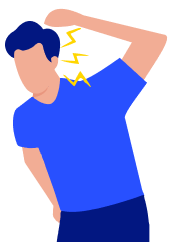
To evaluate Vestibular Paroxysmia and its severity, the following tests are recommended:
The primary treatment for Vestibular Paroxysmia involves addressing neurovascular compression of the cochleovestibular nerve:
Effective management of Vestibular Paroxysmia can significantly improve patients’ quality of life by reducing the frequency and severity of vertigo episodes.
The first line of treatment is typically medication that stabilizes the vestibular nerve. Doctors commonly prescribe low doses of carbamazepine or oxcarbazepine, which can significantly reduce the sudden, brief vertigo attacks characteristic of this condition. Treatment is individualized based on response and tolerance, but nerve-calming medication remains the clinical starting point for most patients.
Diagnosis is based on recurring, very short vertigo episodes, usually lasting seconds to under a minute, occurring many times per day or week. Attacks are spontaneous, often described as electric-shock-like or sudden spinning sensations. Symptoms improve noticeably with vestibular nerve-stabilizing medication. Hearing may remain normal, and other vestibular disorders should be excluded before confirming the diagnosis.
Vestibular disorders stem from damage or disruption in the inner ear balance system or the vestibular nerve. Common causes include viral infections, head or ear trauma, autoimmune disease, circulation issues in the inner ear, migraine-related nerve sensitivity, age-related degeneration, and conditions that affect fluid or crystal function in the vestibular organs. Some cases are also linked to nerve compression or inflammation.
Calming the vestibular nerve involves reducing irritation and stabilizing nerve signals. This may include prescribed nerve-stabilizing medication, managing inflammation if present, improving sleep, reducing migraine triggers, lowering stress, and avoiding sudden pressure changes or rapid head movements during flare-ups. Vestibular therapy can also retrain the brain to respond more steadily to nerve signals during recovery.
Anxiety does not directly damage the vestibular system, but it can amplify dizziness and imbalance by heightening the brain’s sensitivity to motion signals. Stress can also trigger or worsen migraine-related vestibular symptoms. Neuroequillibrium provides specialized evaluation of vestibular nerve function, helping distinguish between primary inner ear causes and nervous-system responses influenced by stress or anxiety.
Brief, repeated vertigo episodes? Vestibular paroxysmia might be the cause-book an appointment today.