


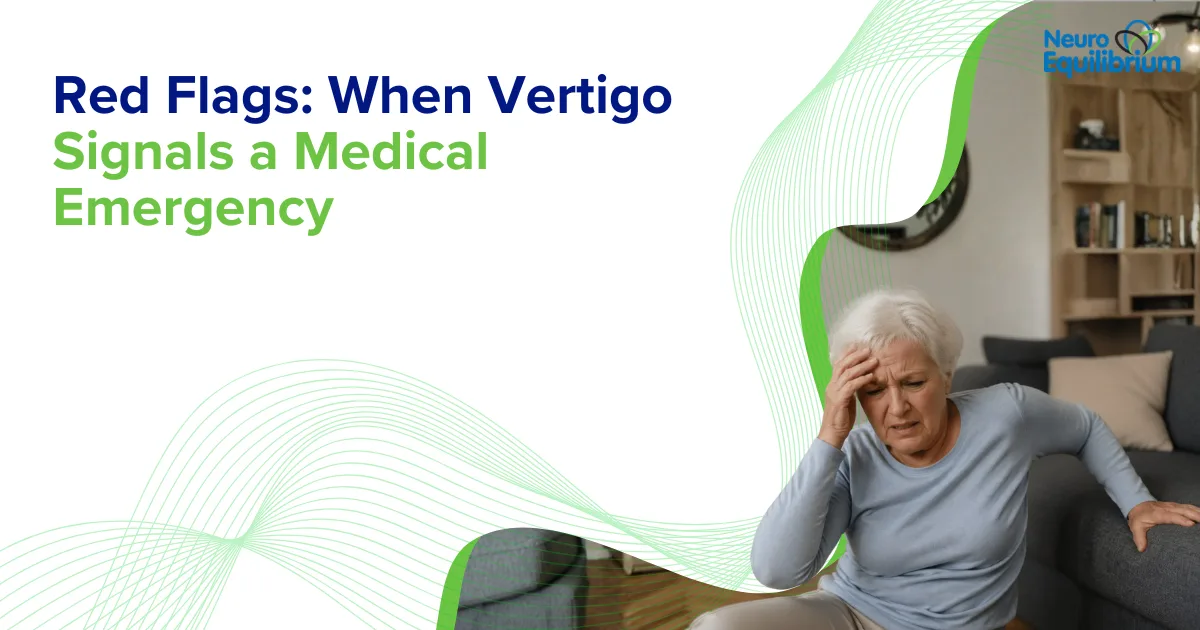





A sudden sense of imbalance, unsteadiness, or disorientation can often be a sign of vertigo. While it is commonly linked to inner ear issues, it can sometimes indicate a more serious underlying condition.
In most cases, vertigo is caused by problems in the inner ear, such as Benign Paroxysmal Positional Vertigo, Vestibular Neuritis, or Meniere’s Disease. These conditions can be uncomfortable and disruptive, but they are usually manageable with the right treatment.
However, there are times when vertigo may be linked to the brain rather than the ear. In such cases, it can be associated with conditions like Stroke, Transient Ischemic Attack, or other neurological disorders. This is why it is important to pay attention to accompanying symptoms.
The key is to recognise that not all vertigo is the same. While many cases are benign, some require urgent evaluation to rule out serious causes. Seeking timely medical advice ensures that the underlying issue is identified and managed appropriately, reducing the risk of complications.
What Is Vertigo and Why Does It Usually Happen?
Vertigo is a symptom, not a disease in itself, and is more specific than a general feeling of dizziness. It creates a false sensation that a person or their surroundings are spinning, rotating, or moving when there is no actual movement.
In many patients, vertigo originates from a problem in the inner ear or vestibular system, which plays a central role in maintaining balance. Common causes include BPPV, where tiny calcium crystals in the inner ear become displaced, as well as inner ear inflammation or inflammation of the vestibular nerve. These conditions can cause intense and distressing symptoms, but many can be effectively managed once the correct cause is identified through appropriate vestibular evaluation.
Neurological causes of vertigo include conditions that affect the brainstem, cerebellum, or central nervous system, such as stroke, multiple sclerosis, vestibular migraine, tumors like acoustic neuroma, and inflammatory or demyelinating diseases. These central causes are less common than inner ear disorders but often more serious, requiring urgent evaluation.
However, not every episode of vertigo originates from the inner ear. In some cases, vertigo may be associated with conditions affecting the brain or central nervous system, including stroke. Recognising this distinction is important because certain neurological causes require urgent medical assessment and timely treatment.
Know More About Vertigo
- Checklist to Prepare Before You Visit a Vertigo Doctor
- What a Neurotologist Checks That ENT Doctors Miss in Vertigo Cases
- Why Some Vertigo Cases Need Multiple Tests Over Time
How Do You Know If Your Vertigo Is “Normal” or an Emergency?
This is the question many people ask a vertigo specialist, and the answer is fairly simple: look for other symptoms that accompany the dizziness.
If your vertigo comes and goes, improves when you lie down, and you otherwise feel well, it is typically related to an inner ear problem. However, when your vertigo comes on suddenly, is intense, and is accompanied by any of the warning signs listed below, consider it an emergency and go to the hospital immediately.
Vertigo: Emergency Now, Urgent Review or Routine Assessment?
| Level of care | Symptom pattern | What to do |
| Emergency now | Sudden vertigo with signs, inability to walk, fainting, severe headache, chest pain, severe breathlessness or loss of consciousness | Go to an emergency department immediately. |
| Urgent same-day assessment | Sudden hearing loss, persistent severe vertigo, repeated vomiting, new neck pain, injury or concerning pregnancy symptoms | Seek urgent medical assessment today. Do not wait for a routine appointment. |
| Routine specialist review | Recurrent brief spinning triggered by head movement, persistent imbalance or dizziness after emergency causes have been excluded | Arrange an appointment with a vertigo or vestibular specialist. |
The apparent severity of spinning alone cannot reliably identify the cause. A mild sensation can occur with a serious condition, while an intense episode can occur with an inner-ear disorder. The associated symptoms and examination findings are essential.
7 Red Flag Symptoms That Mean Your Vertigo Is a Medical Emergency
“While vertigo is frequently caused by inner ear problems, it can sometimes signal a stroke or central nervous system disorder. Red flags requiring immediate emergency care include: blurry/double vision, slurred speech, one-sided weakness/numbness, sudden severe headache, loss of coordination, sudden hearing loss, fainting, or progressively worsening symptoms. Do not wait these indicate life-threatening conditions.”
Dr. Anita Bhandari, Co-founder, NeuroEquilibrium Vertigo Clinics
These symptoms may mean that your dizziness is being caused by something happening in your brain, such as a stroke in the back part of the brain (also known as the posterior circulation). Do not wait. Do not assume it will pass on its own.
- Sudden vision problems: If your vision suddenly becomes blurred, you start seeing double, or you lose vision in one or both eyes, even temporarily, that is a warning sign. Typical inner-ear vertigo usually does not affect your vision in this way.
- Slurred or impaired speech: If you suddenly struggle to pronounce words, cannot find the right words, or your speech sounds unusual to others, call an ambulance. This is one of the classic warning signs of a stroke.
- Weakness or numbness on one side of your body: Sudden weakness, tingling, or numbness in one arm, one leg, or one side of the face is a major red flag. Your nervous system is telling you something is very wrong.
- Loss of coordination or difficulty walking: If you suddenly feel that you cannot walk straight, cannot control your limbs properly, or feel extremely clumsy (not only dizzy), these symptoms should be treated as a reason to seek immediate medical attention.
- Fainting or loss of consciousness: Feeling like you are about to black out, fainting, or briefly losing consciousness, along with vertigo, is a serious warning sign. Do not wait it out; seek emergency care immediately.
- A sudden, severe headache: Sometimes, doctors refer to this as a thunderclap headache, a headache that comes on within seconds and feels like the worst headache of your life. When accompanied by dizziness, this can signal a brain bleed or stroke.
- Sudden hearing loss or loud ringing in the ears: Although some ear conditions can cause ringing in the ears (tinnitus), sudden hearing loss in one ear along with severe vertigo is a red flag that requires immediate medical evaluation.
A 2018 study by Karger confirms: 3.6% had stroke presenting as isolated vertigo; posterior circulation stroke risk jumps 10x with dysarthria, ataxia, or new headache, exactly your red flags.
Additional Vertigo Red Flags That Should Not Be Ignored
1. A fall, head injury or neck injury
Seek urgent medical assessment when vertigo begins after an injury, particularly when there is loss of consciousness, vomiting, severe headache, confusion, neck pain, weakness or use of blood-thinning medicine. Do not perform head or neck maneuvers after an injury without medical clearance.
2. Symptoms that disappear quickly
Stroke-like symptoms that improve within minutes may represent a Transient Ischemic Attack. Temporary improvement does not make them safe to ignore. Emergency assessment is still required.
3. Rapidly worsening symptoms
Vertigo that becomes progressively more severe, changes from brief episodes to continuous symptoms or develops new neurological, hearing or cardiovascular features needs reassessment.
A Special Warning for Pregnant Women Experiencing Vertigo
Pregnancy itself can sometimes cause dizziness. Sometimes it is hormones, changes in blood pressure, and body shifts. However, if you are pregnant, having frequent dizzy spells, and experiencing any of the following symptoms, seek emergency medical help immediately:
- Severe headaches
- Vision problems
- Shortness of breath or chest pain
- Difficulty speaking
- Passing out or severe fatigue
These might indicate severe pregnancy-related issues that are harmful to you and your baby. This is not a situation where you should wait and see.
Pregnancy and Postpartum Warning Signs
During pregnancy and for up to one year after delivery, seek immediate medical care when dizziness or vertigo occurs with:
- A severe headache that does not improve or becomes worse
- Blurred vision, flashing lights, blind spots or double vision
- Fainting or persistent lightheadedness
- Chest pain or a fast-beating heart
- Trouble breathing
- Severe swelling of the face or hands
- Severe abdominal pain
- Heavy vaginal bleeding or fluid leakage
- Severe nausea and vomiting that differs from usual morning sickness
- Reduced or absent baby movements
- Sudden weakness, numbness, speech difficulty or other stroke signs
Pregnancy-related dizziness should not automatically be attributed to hormonal changes. Sudden or persistent symptoms with these warning signs require immediate medical assessment.
Why Ignoring Vertigo Signs Is Dangerous
In the case of a stroke in the back part of the brain (a section that regulates balance), the first symptom may look like a typical inner ear vertigo attack. This is what makes it so difficult and threatening.
That is why it is so important to recognize these red flags and not ignore them.
What Home Checks Cannot Rule Out
Home checks can help a person notice obvious stroke symptoms, but they cannot safely rule out a stroke, heart problem, sudden hearing emergency or pregnancy-related complication.
Do not rely only on:
- Whether the person can smile normally
- Whether both arms can be raised
- A normal home blood pressure reading
- Temporary symptom improvement
- The ability to speak a short sentence
- Whether vertigo improves after lying down
- A home positional maneuver
- An online symptom checker
Some strokes affecting the brainstem or cerebellum may present mainly with vertigo, nausea, severe imbalance or difficulty walking. Specialist eye-movement examinations must be performed and interpreted by appropriately trained clinicians.
What Happens After the Vertigo Emergency Is Ruled Out?
Once a vertigo specialist has confirmed that you are not having a stroke or another brain emergency, the next step is to find out why your vertigo is continuing. Specialized vertigo care is essential at this stage.
A correct diagnosis cannot be obtained on a simple check-up. It may involve balance assessments, inner ear testing, and gait analysis by vertigo specialists who specialize in the body’s balance system (the vestibular system).
These tests can help determine whether your vertigo is caused by conditions such as BPPV, Meniere’s disease, vestibular neuritis, vestibular migraine, and others, many of which can be effectively treated. After learning the cause, an appropriate treatment plan, which may involve balance rehabilitation therapy, medications, or specific physical exercises, can be developed specifically for you.

What May Happen During an Emergency Evaluation?
The emergency team may ask when the symptoms began, whether they are continuous or triggered, what other symptoms are present and whether the patient has experienced a similar episode before.
The evaluation may include:
- Blood pressure, pulse, oxygen level and blood glucose
- A neurological examination
- Assessment of facial movement, speech, strength and sensation of the hands and legs
- Eye-movement and coordination assessment
- Evaluation of standing and walking when safe (if possible)
- A hearing assessment when sudden hearing loss is reported
- An electrocardiogram when fainting or chest symptoms are present
- Blood tests
- CT, MRI or blood-vessel imaging when clinically appropriate
- Pregnancy-specific examination and monitoring when relevant
The exact tests depend on the symptom pattern and examination. VNG and other routine vestibular tests are not substitutes for emergency stroke or cardiovascular assessment.
Why Choose NeuroEquilibrium for Your Vertigo Care
Choosing the right vertigo specialist matters greatly when you are trying to regain your life after recurrent dizziness attacks.
NeuroEquilibrium is a network of vertigo and balance disorder clinics in India, designed to assess, diagnose, and treat vertigo across all levels of complexity. For non-emergency cases, NeuroEquilibrium uses VNG, SVV, DVA and Caloric Testing to investigate vestibular causes of dizziness. Emergency warning signs require immediate hospital evaluation., such as Videonystagmography (VNG), Video Head Impulse Testing (vHIT), Computerized Posturography, and Rotary Chair assessments that go well beyond what a typical clinic can provide.
These tools help a trained vertigo specialist identify the precise cause of your dizziness, ensuring your treatment is accurate and effective rather than guesswork.
In addition to diagnosis, We also provide vestibular rehabilitation therapy, including online rehabilitation programs that use virtual reality and can be done at home. Be it a simple or complex case, the aim is the same: to put you back on track and win your life back.
Conclusion
With proper care, most cases of vertigo can be treated effectively. But some cases of vertigo can mask a life-threatening emergency. The difference often comes down to recognizing the red flags.
When your dizziness is accompanied by vision loss, speech difficulties, weakness, lack of coordination, fainting, intense headache, or sudden hearing loss, do not wait. Go to the emergency room immediately.
Once the emergency has been ruled out, move to the next step. Get in touch with a trained vertigo specialist who can properly assess your balance system and develop an effective treatment plan. Vertigo does not have to become part of your daily life when you have the right diagnosis and the right team behind you.
If you or someone you know is dealing with dizziness, connect with the Neuroequilibrium clinic near you today. Book an appointment today.
Frequently Asked Questions
When is vertigo considered a medical emergency?
Vertigo can be an emergency when it comes out of the blue and is accompanied by such other symptoms as blurred or double vision, speech difficulty, one-sided weakness, walking difficulty, fainting, severe headache, or sudden hearing loss. They can be a sign of a stroke or some other severe brain disorder.
Can vertigo be a sign of a stroke?
Yes. In some cases, vertigo may be the first indication of stroke, particularly in the back region of the brain, which deals with balance. In case of vertigo, speech difficulties, weakness, vision changes, or loss of coordination, emergency treatment is necessary.
What should I do if I suddenly feel dizzy and unbalanced?
Sit or lie down to prevent falling. If the dizziness is not severe and goes away quickly, schedule a medical appointment. However, if sudden or severe, or associated with red-flag symptoms, go to the emergency room or call an ambulance immediately.
Is vertigo during pregnancy dangerous?
During pregnancy, mild dizziness may occur due to hormonal changes or fluctuations in blood pressure. But vertigo and very bad headache, vision loss, chest pain, shortness of breath, fainting, or straining to talk should be taken to the hospital immediately
What happens after a vertigo emergency is ruled out?
Balance and inner-ear tests are the next steps that a vertigo expert can administer to arrive at the cause, once the serious causes such as stroke have been eliminated. Such disorders as BPPV, vestibular neuritis, Meniere’s disease, or vestibular migraine are usually treatable through medication, maneuvering, or vestibular rehabilitation.