








That sudden dizzy sensation when you get out of bed. The wavering feeling that suddenly hits. The dizziness that makes you reach for the nearest wall. And if you have been asking yourself, ‘Why am I dizzy?’ You are not alone, and you deserve an explanation, not just a guess.
Dizziness and vertigo are not diseases by themselves. There are signs that your body may be telling you something in your balance system that needs attention. And since there are more than 40 different medical conditions that could cause your spinning world, identifying the exact cause of your spinning sensation is more important than most people realize.
Let’s go through the most common causes of dizziness, what they entail, and when it is time to stop waiting and see a specialist.
Understanding Dizziness: Why Your Balance System Is More Complex Than You Think
It is worth understanding how your balance system works before delving into the specific causes of dizziness.
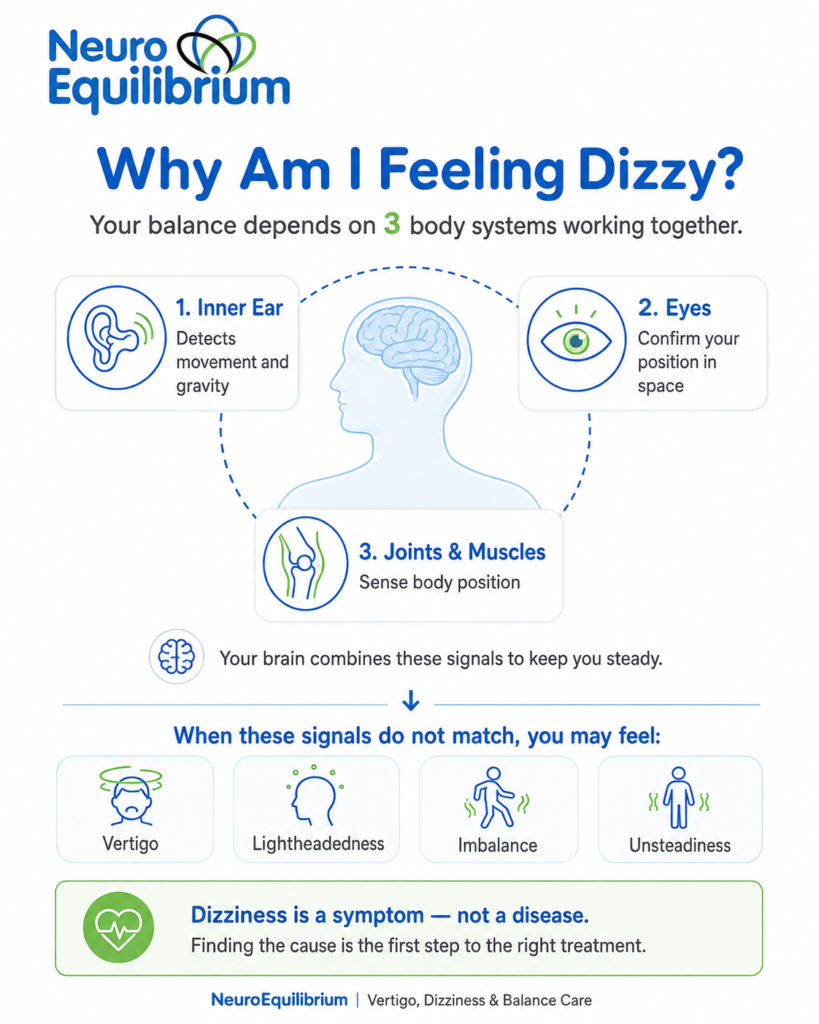
To help you stay steady, the brain constantly receives information from three sources: your inner ear (which detects movement and gravity), your eyes (which confirm your position in space), and your joints and muscles (which sense your body position). If any of these sources sends an incorrect or confusing signal, the result can be dizziness.
This is why the causes of dizziness are so varied; the issue may begin in the inner ear, the brain, or elsewhere in the body. That is also why proper diagnosis matters. Guesswork cannot identify or treat the real cause.
Know More About
- What Is Cerebellar Ataxia? Meaning, Symptoms, and Treatment Explained
- How to Cure Motion Sickness Permanently: Doctor Insights
- Electrolyte Imbalance & Dizziness: How Hydration Affects Your Balance
Inner Ear Problems: The Most Common Causes of Dizziness You Should Know
A large number of dizziness cases begin in the inner ear. These are known as peripheral vertigo conditions and are usually highly treatable when properly diagnosed.
- Benign Paroxysmal Positional Vertigo (BPPV) is one of the most common causes of dizziness seen in balance clinics worldwide. It occurs when tiny calcium crystals in the inner ear become dislodged and travel to the wrong part of the ear canal. The outcome is an abrupt, intense spinning sensation that typically lasts less than one minute and is triggered by simple head movements such as rolling over in bed, bending down, or looking up. BPPV can often be treated effectively during a single clinic visit using the appropriate repositioning technique.
- Another important cause of inner ear dizziness is Ménière’s disease, which results from excess fluid pressure in the inner ear. Vertigo episodes in Ménière’s disease usually last longer than the short bursts seen in BPPV. These episodes can last for hours and are often accompanied by hearing loss, ringing in the ear (tinnitus), and a sensation of ear blockage. It usually requires ongoing management and monitoring.
- Vestibular neuritis and labyrinthitis are conditions that often occur after a viral infection that inflames the balance nerve or the inner ear itself. They can cause sudden, severe, and persistent spinning, along with nausea, that may last a few days and leave individuals unable to stand or walk normally. Hearing is also affected by Labyrinthitis. Recovery is possible, but early treatment can make a significant difference.
Brain and Neurological Causes: Reasons for Dizziness That Go Beyond the Ear
Not everything that causes dizziness begins in the inner ear. Other causes of dizziness may originate in the brain or nervous system and are referred to as central vertigo by specialists. These are less common but should be detected early.
- Vestibular migraine is one of the most commonly underdiagnosed causes of dizziness. It is a kind of migraine in which the predominant symptom is dizziness or vertigo, occasionally accompanied by a headache, sometimes without. Episodes may last from minutes to days and may be accompanied by nausea, motion sickness, and extreme sensitivity to light and sound. Many people are misdiagnosed for years before a specialist recognizes this pattern.
- An acoustic neuroma is a slow-growing, non-cancerous tumor that develops on the nerve between the inner ear and the brain. It can gradually cause imbalance and hearing loss, which may deteriorate silently over months or years. Early detection through a proper vestibular assessment is important.
- Stroke, brain tumors, and multiple sclerosis (MS) can also present with dizziness. These are not so common causes of dizziness, but they are precisely why sudden, severe, or unexplained dizziness should never be dismissed, especially when other neurological symptoms are present.
“Vertigo and dizziness are not diseases in themselves, but warning signals that something is wrong in the body’s balance system. In the inner ear, the hair cells and fluid-filled canals work like an orchestra, and when a crystal is displaced, or an infection disrupts that harmony, the result can be spinning, unsteadiness, or chakkar.”
Dr. Anita Bhandari, Neurotologist and ENT specialist
Lifestyle and Systemic Causes of Dizziness Are Often Ignored
Some causes of dizziness are not directly related to the ear or brain. They may be caused by changes occurring elsewhere in the body, and they are more common than many people expect.
- Orthostatic hypotension is a sudden drop in blood pressure when you rise from a seated or lying position. This temporarily reduces blood flow to the brain, causing lightheadedness, dizziness, blurred vision, or a feeling of faintness rather than a true spinning sensation (vertigo). It is especially common in older adults and people taking blood pressure medications.
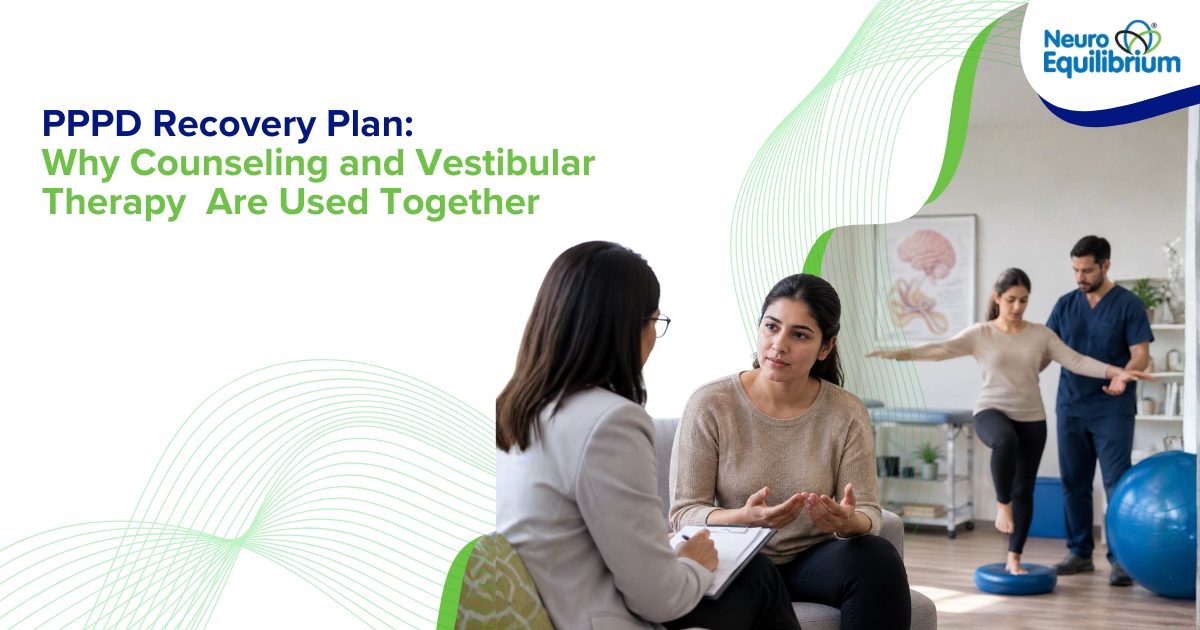
- Persistent Postural-Perceptual Dizziness (PPPD) is a chronic condition in which a person feels as if they are rocking, swaying, or otherwise unsteady. It is usually aggravated by standing, visually busy environments such as crowded streets or supermarkets, and stress. It commonly occurs after another episode of acute dizziness that was never properly addressed.
Systemic issues can also affect how the brain and balance system function. Frequent dizziness and vestibular problems have also been associated with low levels of vitamin D and vitamin B12.
Medication side effects are also not to be ignored. Some medicines, including sedatives, certain antibiotics, and blood pressure medications, can cause or worsen dizziness.
A 2015 NCBI study found that more intense exercise led to presyncope developing 32% sooner, which helps explain why stopping abruptly after a hard workout can trigger lightheadedness.
Red Flag Symptoms: When Dizziness Requires Emergency Care
Although most causes of dizziness are benign inner ear diseases, some are medical emergencies. Seek immediate medical help if dizziness or vertigo is accompanied by any of the following:
- Sudden blurred vision, double vision, or vision loss.
- Difficulty finding words or slurred speech.
- Weakness, numbness, or tingling in the face, arms, or legs.
- New and unusually severe headache.
- Difficulty walking, loss of coordination, or fainting.
- Sudden hearing loss
These red flags may indicate a stroke or another serious neurological event. Do not wait; visit an emergency room at once.
When Everyday Dizziness Becomes a Sign You Should See a Specialist
Many people wait too long to seek proper help for dizziness. They attempt to rest, drink more water, or take over-the-counter medicines, and when the spinning returns, they think nothing can be done.
This is where you should cease waiting and visit a specialist regarding your dizziness:
- Your dizziness is recurrent.
- The episodes can last for hours or even days without an apparent catalyst.
- When walking or standing, you feel unsteady.
- Dizziness is disrupting work, driving, or normal day-to-day living.
- Anti-dizziness drugs are no longer effective, or you have been taking them for weeks.
One should realize that drugs can only cover up the effects of dizziness. They do not treat the root cause. In fact, long-term use of vestibular suppressant medicines can slow the brain’s natural recovery process and make the problem last longer.
Advanced vestibular testing can help identify the exact cause of dizziness and guide the right treatment plan.

Why NeuroEquilibrium Is the Right Place to Discover the Cause of Your Dizziness
“Dizziness cannot always be resolved through a routine clinic visit because its root cause may be complex. It requires advanced diagnostic equipment and specialists trained in balance disorders.
NeuroEquilibrium is the largest chain of dizziness-specific clinics in India, equipped to accurately determine the source of each major cause of dizziness. Here is what the diagnostic approach includes:
- Videonystagmography (VNG): High-speed infrared cameras track eye movements during positional tests to help identify complex inner-ear causes of dizziness.
- NeuroEquilibrium’s vestibular assessment may include VNG, SVV, DVA and Caloric Testing, depending on the symptoms and suspected cause. determine which part of the vestibular system is not functioning properly.
- Computerized Posturography: This test measures how well the brain integrates signals from the eyes, ears, and body to maintain balance. It can help detect conditions such as PPPD.
- Rotary Chair Testing: This provides a more detailed assessment of balance nerve function
- Vestibular Rehabilitation: After determining the specific cause of dizziness, tailored rehabilitation programs, including online options, can be developed to help train the balance system and regain confidence in movement.
Regardless of the cause (BPPV, Meniere’s disease, vestibular migraine, or any of the many other causes of dizziness), the objective is always the same: an accurate diagnosis, a specific treatment, and a quicker return to daily life.
Concise Overview: The Most Important Causes of Dizziness and Next Steps
Dizziness is not a disease; it is a symptom; the underlying cause should be determined.
- BPPV, Meniere’s disease, vestibular neuritis, and vestibular migraine are the most common causes of dizziness.
- The neurological causes, such as stroke, are uncommon, whereas the most dangerous red flag symptoms require emergency treatment.
- Lifestyle-related causes such as dehydration, vitamin deficiencies, and low blood pressure are not commonly considered causes of dizziness.
- Drugs simply hide the symptoms; the real solution is the proper diagnosis and treatment.
And if dizziness has been part of your life, you cannot afford to be a guesser. Contact a specialized balance clinic, have the necessary tests performed, and discover exactly what your body is trying to communicate to you.
Frequently Asked Questions
How do you get rid of dizziness?
Getting rid of dizziness starts with sitting or lying down safely, drinking water, breathing slowly, and avoiding sudden head movements until the sensation settles. Because dizziness can stem from dehydration, low blood sugar, inner ear imbalance, or blood pressure changes, the best long-term fix is to treat the underlying cause rather than only mask the symptom.
What are the top 3 causes of dizziness?
The three most common causes of dizziness are inner-ear balance disorders, such as Benign Paroxysmal Positional Vertigo; dehydration or low blood pressure; and low blood sugar or fatigue. Anxiety, infections, and medication side effects can also contribute, but these three are among the most frequent triggers seen clinically.
How to stop feeling lightheaded?
To stop feeling lightheaded, sit down immediately, lower your head slightly, sip water, eat something light if you have not eaten recently, and take slow, deep breaths. Standing up too fast, not drinking enough fluids, skipping meals, or overheating can trigger lightheadedness, so correcting those issues often helps quickly.
What drink stops dizziness?
Plain water is often the best first drink for dizziness because dehydration is a major trigger. Oral rehydration fluids, electrolyte drinks, or a lightly sweetened beverage can also help if low blood sugar or fluid loss is involved. Ginger tea may reduce the nausea that often accompanies dizziness.
What food gets rid of dizziness fast?
If dizziness is related to low energy or low blood sugar, quick foods like fruit, crackers, toast, bananas, or a light carbohydrate-rich snack can help. Foods rich in iron and vitamin B12, along with adequate hydration, may also reduce recurrent dizziness over time, especially when poor nutrition contributes to the problem.