

- Thanjavur, Tamil Nadu | 1 CLINIC
VNG Test in Thanjavur
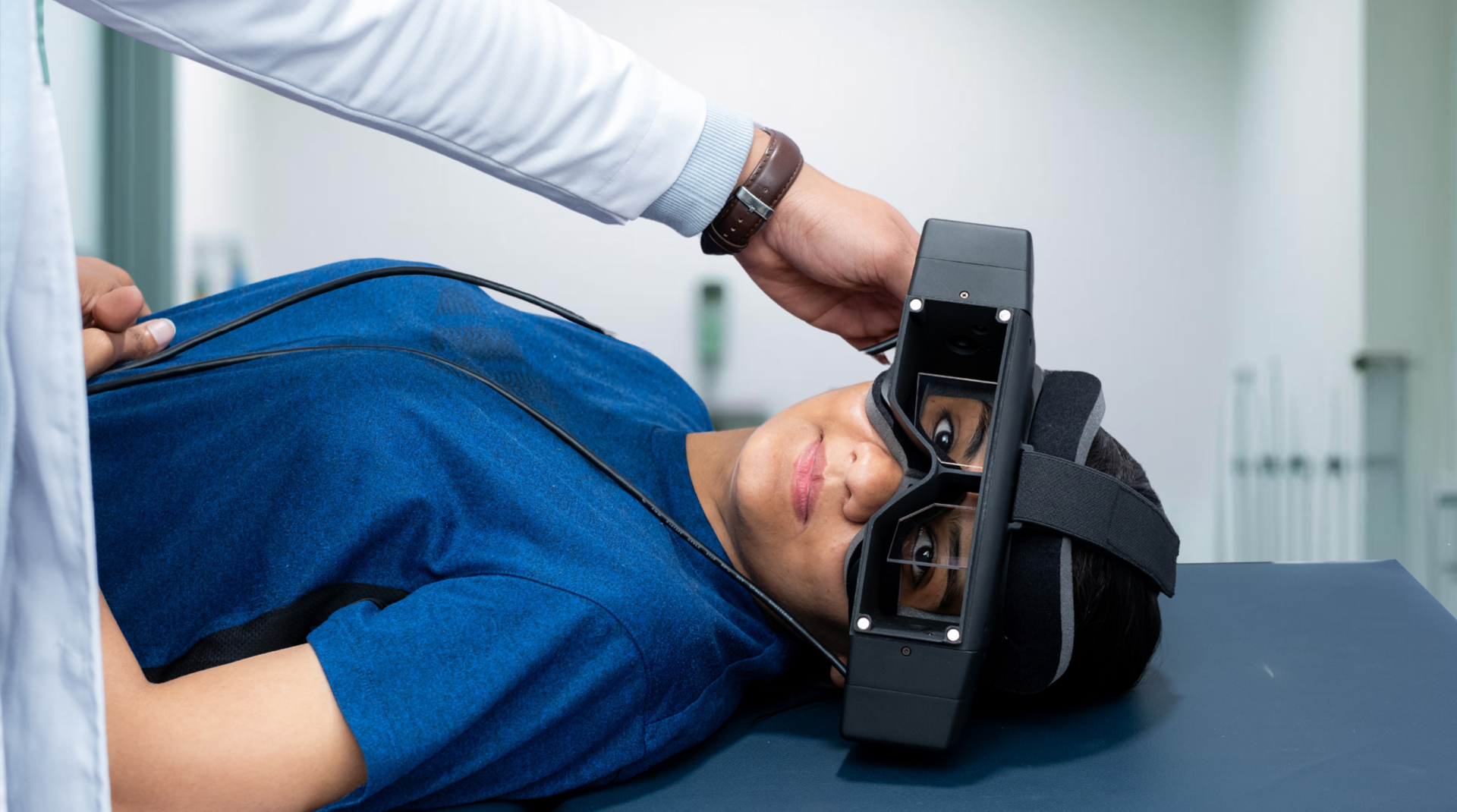
The Videonystagmography (VNG) test evaluates the vestibular and oculomotor systems by analysing eye movements. This test helps identify signs of vestibular dysfunction associated with vertigo, dizziness and balance disorders.
Book Consultation
Advanced Diagnostics
VNG test is non-invasive and completed in a single visit. VNG Test (Only)
Preparing for Your Vertigo Assessment
A little preparation can help the vertigo experts understand your symptoms and complete the required assessment efficiently.
Bring previous reports.
Carry previous hearing tests, vestibular reports, MRI/CT reports and prescriptions.
Bring your medicine list.
Bring a list or photo of current medicines; do not stop prescribed medication without advice.
Avoid eye makeup when advised.
Eye makeup can interfere with goggles used during eye-movement tests.
Wear comfortable clothing.
Some assessments involve standing, walking or controlled head and body movement.
Plan your return journey.
Assessments may temporarily reproduce dizziness; avoid driving and consider bringing a companion.
Do not take vestibular suppressant (vertigo medicine) before 6 hours.
These medicines can mask symptoms during tests.
When Dizziness May Require Emergency Care
Most episodes of vertigo are not medical emergencies. However, sudden dizziness or vertigo should not be treated as a routine clinic concern when it occurs with:
Patient Voices
Hear it From Our Patients
Real stories of recovery – in their own words, in their own language.
Common questions
FAQ - VNG Test in Thanjavur
You can get a VNG test at NeuroEquilibrium’s partner clinic in Thanjavur. The specialist will evaluate your symptoms and recommend the appropriate vestibular tests.
You can book an appointment through the NeuroEquilibrium website for its partner clinic in Thanjavur. The specialist will guide you on the evaluation and the testing required.
A VNG test in ENT is a test that records eye movements to assess inner-ear balance function and help investigate dizziness, vertigo and balance problems.
A Videonystagmography (VNG) test records eye movements to assess the inner-ear balance system and eye-movement control. It helps specialists investigate the causes of dizziness, vertigo and balance problems.
During a VNG test, you wear special goggles with infrared cameras that record your eye movements. You may follow moving targets, change head positions or undergo other tests to assess your balance system.
A VNG test can help evaluate vestibular conditions such as BPPV, vestibular neuritis and Ménière’s disease. The results are interpreted alongside your symptoms and other clinical findings to help determine the likely cause of dizziness.
Your clinic may ask you to avoid certain foods, drinks or medicines before the test. Do not stop prescribed medicines unless your healthcare provider instructs you to do so. Follow the clinic’s specific preparation instructions.
VNG testing is generally safe and non-invasive. Some people may briefly experience dizziness or nausea during or after certain parts of the test. If you feel unwell afterward, allow time to recover and arrange assistance getting home if needed.