







If you keep getting “chakkar”, feel as if the room is spinning, lose balance while walking, or feel scared that you may fall, you are not alone. Many people are told it is “just weakness,” “gas,” “stress,” or “cervical,” but recurring dizziness often has a real medical cause.
The good news is this: “vertigo treatment works best when the diagnosis is accurate”.
The right specialist does not just give temporary medicines. They identify the real cause of your dizziness and match it with the right treatment plan.
At NeuroEquilibrium, patients across India come for expert evaluation of vertigo, dizziness, imbalance, ear balance problems, and unexplained chakkar using advanced vestibular testing and customized treatment plans.
Quick Answer: What Is Vertigo?
Vertigo is not a disease by itself. It is a symptom that makes you feel as if:
- The room is spinning
- You are moving when you are actually still
- You may lose balance or fall
- Your head feels heavy, floating, or unstable
- You feel nausea, motion sensitivity, or fear during movement
Some patients say, “Mujhe chakkar aa rahe hain.” Others describe:
- The room is spinning
- You are moving when you are actually still
- You may lose balance or fall
- Your head feels heavy, floating, or unstable
- You feel nausea, motion sensitivity, or fear during movement
If that sounds familiar, you may need more than symptom relief. You may need a proper vertigo test and specialist evaluation.

How Common Are Dizziness and Vertigo?
Vertigo and dizziness are far more common than most people realize.
- “Dizziness affects around 15–20% of adults every year.”
- “Vertigo affects around 5% of adults annually.”
- “BPPV is one of the most common causes of vertigo.”
Indian data also show how important correct diagnosis is. In a large Indian registry of patients with new-onset vertigo, peripheral vestibular causes were most common, and BPPV was the leading diagnosis. Another major Indian study of 3,975 BPPV patients found that horizontal canal BPPV accounted for 46.3% of cases. That matters because many clinics only look for the common posterior canal form and may miss the horizontal canal variant.
This is one reason why some patients keep taking medicines but do not improve.
Why Vertigo Should Not Be Ignored
Many people try to “manage” vertigo for months or years. But untreated or poorly treated vertigo can affect nearly every part of life.
Work and productivity
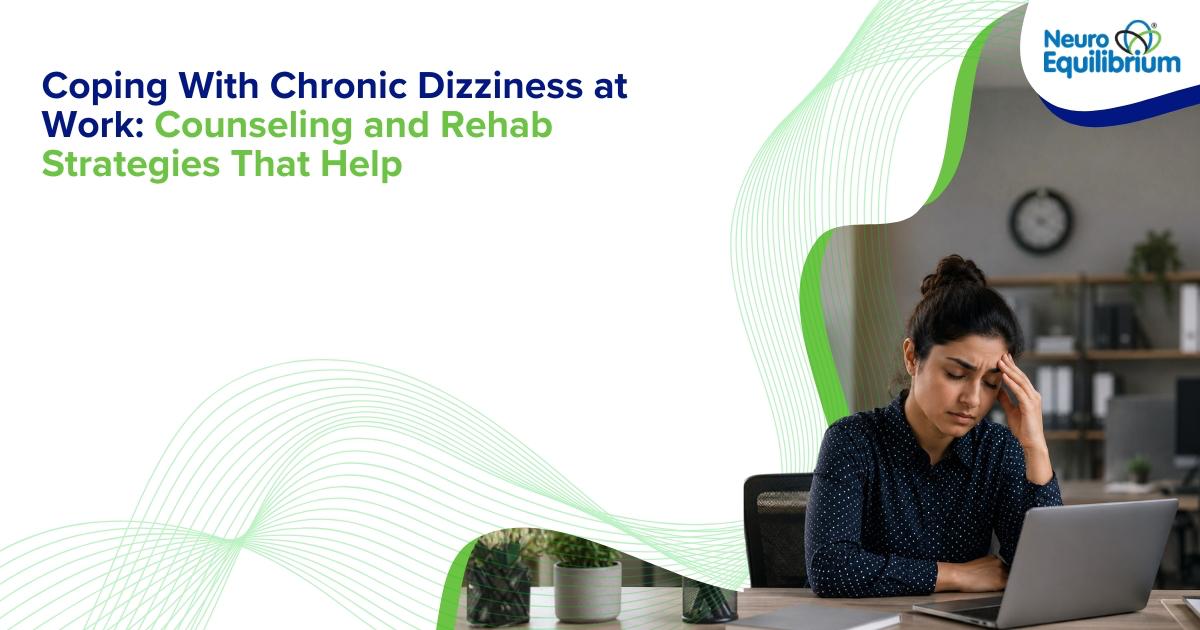
Patients often miss office work, avoid meetings, struggle on screens, or fear commuting alone.
Sleep and confidence
A person who gets spinning while turning in bed may start dreading sleep itself.
Travel and social life
Many patients avoid flights, car travel, family functions, malls, escalators, and crowded spaces.
Driving and independence
The inability to drive safely or confidently can be emotionally devastating.
Falls and injury risk
Balance disorders can increase the risk of falls, especially in older adults.
Mental stress
The fear of sudden spinning, fear of falling, and repeated uncertainty can trigger anxiety and withdrawal.
That is why expert dizziness treatment is about much more than stopping one episode. It is about helping people regain control of daily life.
Common Causes of Vertigo and Dizziness
Not all chakkar is the same. Different causes need different treatments.
BPPV (Benign Paroxysmal Positional Vertigo)
BPPV is one of the most common causes of vertigo. It happens when tiny calcium crystals in the inner ear move into the wrong semicircular canal.
Typical symptoms
- Brief spinning when turning in bed
- Dizziness when looking up or bending down
- Nausea with sudden head movements
- Repeated attacks lasting seconds to a minute
Why it is often missed
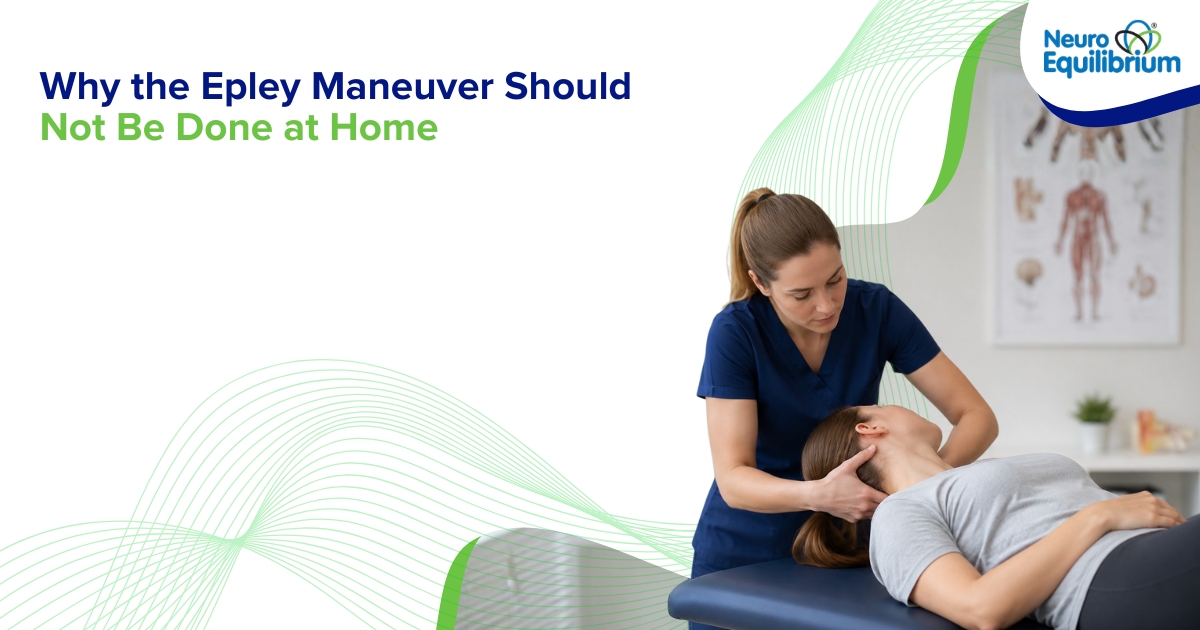
Many patients are given only tablets, but BPPV is usually treated best with specific repositioning maneuvers, not long-term medicines.
Also, not all BPPV is the same. Some patients have horizontal canal BPPV, which requires different testing and treatment than the common posterior canal form.
Treatment
- Accurate canal diagnosis
- Positional testing
- Canal-specific repositioning maneuvers
- Follow-up to confirm resolution
If your chakkar happens while turning in bed, get your Vertigo Profile Test and consult a vertigo expert.
Vestibular Migraine
Vestibular migraine can cause vertigo even when headache is not the main complaint.
Typical symptoms
- Recurrent dizziness or spinning lasting minutes to hours
- Motion sensitivity
- Light sensitivity or sound sensitivity
- Headache, pressure, or heaviness in some attacks
- Imbalance between episodes
Why it is confusing
It may look like BPPV, stress, sinus issues, or “weakness.” Some patients are treated for years without anyone connecting dizziness to migraine biology.
Treatment
- Migraine trigger assessment
- Specialist diagnosis
- Customized medication strategy when needed
- Vestibular rehabilitation in selected cases
- Lifestyle and sleep guidance
Ménière’s Disease
Ménière’s disease usually affects the inner ear and can cause vertigo along with hearing-related symptoms.
Typical symptoms
- Episodes of spinning vertigo lasting 20 minutes to several hours
- Ear fullness
- Tinnitus or buzzing
- Fluctuating hearing loss
- Nausea and imbalance
Why diagnosis matters
If hearing symptoms are present, the evaluation should not stop at “vertigo medicine.” A detailed ear and vestibular assessment is important.
Treatment
- Careful diagnosis
- Hearing and vestibular evaluation
- Diet and lifestyle measures in selected patients
- Symptom control during attacks
- Long-term individualized management
Vestibular Neuritis
Vestibular neuritis is often a sudden severe vertigo episode caused by inflammation affecting the balance nerve.
Typical symptoms
- One major attack lasting hours to days
- Severe spinning and nausea
- Difficulty walking straight
- Motion intolerance
- Usually no hearing loss
What patients often experience
Many say they were fine one day and suddenly could not stand, walk, or turn their head without intense spinning.
Treatment
- Early medical evaluation
- Short-term symptom control where appropriate
- Vestibular rehabilitation
- Recovery monitoring
Balance Disorder
A balance disorder is a condition that affects your body’s ability to maintain stability and orientation. It can arise from problems in the inner ear (vestibular system), brain, eyes, muscles, or nerves. People with a balance disorder may feel unsteady even while standing or walking, increasing the risk of falls and reducing confidence in daily activities.
Typical Symptoms
- Feeling unsteady or off-balance while walking
- Dizziness or a sensation of floating
- Vertigo (spinning sensation)
- Frequent falls or near-falls
- Difficulty walking in the dark or on uneven surfaces
- Blurred vision with head movements
- Nausea or motion sensitivity
- Feeling pulled to one side while walking
- Fatigue and difficulty concentrating due to constant imbalance
Why Is It Often Missed?
Balance disorders are frequently overlooked because their symptoms can be subtle or mistaken for other conditions such as low blood pressure, anxiety, cervical problems, aging, or general weakness. Many people learn to compensate for their imbalance and avoid challenging movements instead of seeking treatment. Since routine medical examinations may not include specialized balance testing, the underlying vestibular problem can remain undiagnosed for months or even years.
Treatment
Treatment depends on the underlying cause but often includes:
Vestibular rehabilitation therapy (VRT): A specialized physiotherapy program designed to improve balance, reduce dizziness, and retrain the brain to process balance signals effectively.
Balance and gait training: Exercises to improve stability and reduce fall risk.
Gaze stabilization exercises: To improve vision during head movements.
Strength and flexibility exercises: To enhance overall mobility and confidence.
Medical management: If symptoms are caused by infections, migraines, or other medical conditions, appropriate medications or medical treatment may be recommended.
Lifestyle modifications: Staying active, maintaining hydration, and implementing fall prevention strategies at home can support recovery.
Cervical Vertigo or Cervicogenic Dizziness
This is a term often used when dizziness is associated with neck pain or neck movement. But it should be diagnosed carefully.
Important point
Not every patient with neck pain and dizziness has cervical vertigo. Many people are labeled “cervical” when the real problem is BPPV, vestibular migraine, or another vestibular disorder.
Symptoms that may overlap
- Neck discomfort
- Heaviness in head
- Imbalance
- Dizziness with movement
Best approach
A dizziness specialist first rules out inner-ear and central causes before blaming the neck.
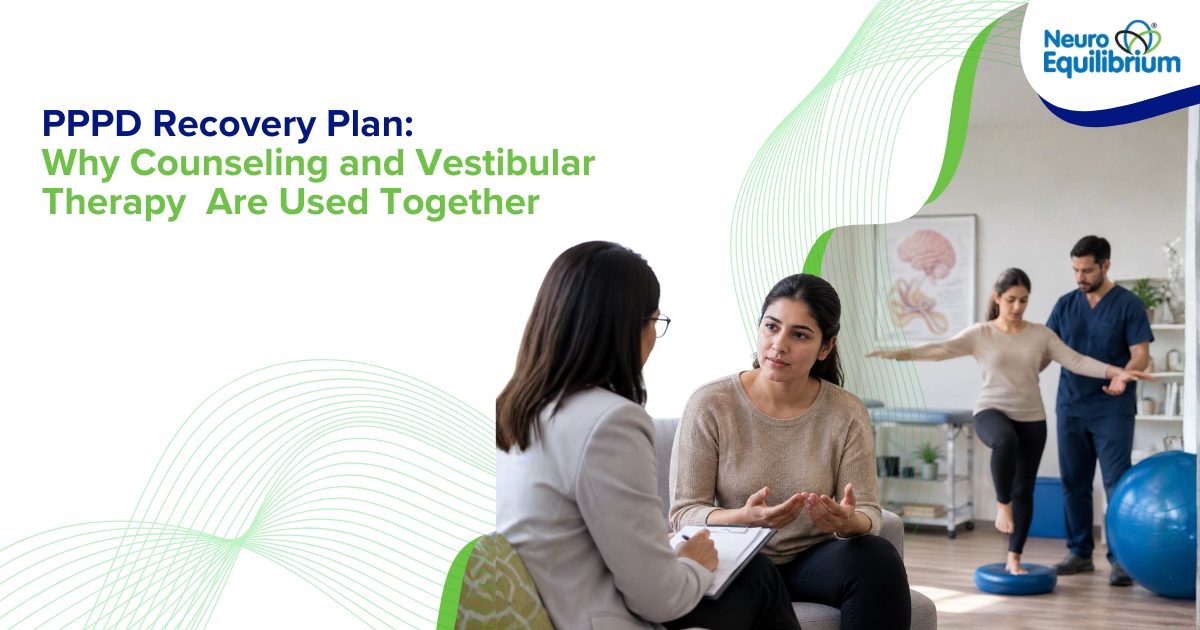
Anxiety-Related Dizziness and PPPD
Anxiety can worsen dizziness, but it is not always the original cause. Some patients develop chronic dizziness after an earlier vestibular event.
A recognized condition called persistent postural-perceptual dizziness (PPPD) can cause:
- Chronic rocking or floating sensations
- Discomfort in busy visual environments
- Dizziness while standing or walking
- Symptoms worsened by motion, crowds, or screens
- Fear and hyper-awareness of balance
Treatment
- Proper diagnosis
- Vestibular rehabilitation
- Reassurance based on a clear explanation
- Anxiety support when needed
- Individualized recovery planning

Why Vertigo Is Often Misdiagnosed
This is one of the biggest reasons patients suffer for so long.
Vertigo is often misdiagnosed because:
“Dizziness” is treated as one condition
But dizziness may come from the inner ear, migraine pathways, blood pressure issues, anxiety, or the brain.
The right bedside tests are not always done
For BPPV, tests like Dix-Hallpike and supine roll testing are crucial.
The exact timing and triggers are ignored
A 20-second spinning episode on turning in bed is very different from a 12-hour attack with ear fullness.
Only symptom-relief medicines are given
Temporary improvement can hide the actual diagnosis.
Horizontal canal BPPV is missed
This is especially important because Indian research has shown horizontal canal BPPV in 46.3% of a large BPPV study population.
Anxiety is blamed too early
Stress may worsen symptoms, but it should not replace medical diagnosis.
If you have been told different things by different doctors and still have no relief, that itself is a reason to seek specialist evaluation.
Consult a dizziness specialist if your symptoms keep returning or your diagnosis keeps changing.
Why Advanced Vestibular Testing Matters
A routine exam may be enough for some patients, but many need more precise testing.
Advanced vestibular testing helps answer:
- Which part of the balance system is affected?
- Is the problem from one ear or both?
- Is it a positional disorder, vestibular weakness, migraine-related pattern, or another balance disorder?
- Why are symptoms persisting despite previous treatment?
Key tests used in modern vertigo diagnosis
VNG (Videonystagmography)
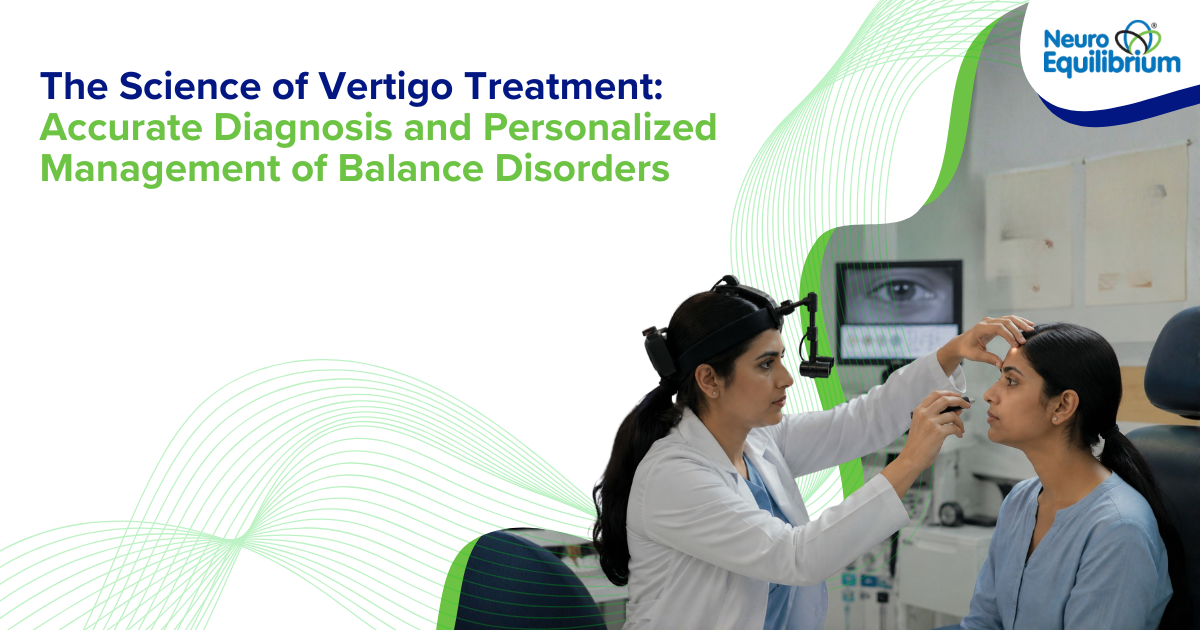
This records eye movements and nystagmus. Since the balance system and eye movements are closely linked, VNG helps detect abnormal vestibular patterns.
vHIT (Video Head Impulse Test)
This measures the vestibulo-ocular reflex at high speeds and helps detect vestibular weakness.
VEMP (Vestibular Evoked Myogenic Potentials)
This helps evaluate otolith organ pathways and can be useful in selected vestibular disorders.
Posturography
This assesses balance control and postural stability and is useful in people with imbalance, fall risk, or chronic dizziness.
Vertigo Profile Test
A Vertigo Profile Test combines specialist history, targeted clinical examination, and vestibular investigations to build a cause-based diagnosis rather than a guess.
This is especially valuable if you have:
- Repeated dizziness with no clear answer
- Imbalance without obvious spinning
- Failed treatment elsewhere
- Fear of falling
- Inability to drive or travel confidently
- Symptoms triggered by head movement or visual motion
Get your Vertigo Profile Test if your dizziness keeps returning or you want a more complete diagnosis.
What Happens During a Dizziness Specialist Consultation?
A good specialist consultation usually focuses on three things:
The of your symptoms
- When did it begin?
- How long does each episode last?
- What triggers it?
- Is there hearing loss, headache, nausea, ear fullness, or imbalance?
Focused examination
- Positional testing
- Eye movement assessment
- Gait and balance evaluation
- Ear and neurologic review
Targeted tests when needed
Not every patient needs every test. The right specialist chooses based on symptoms, not by routine.
How Personalized Vertigo Treatment Improves Recovery
There is no single “best medicine for chakkar” for everyone. Recovery improves when treatment is tailored to the cause.
Personalized treatment may include:
- Canal-specific repositioning maneuvers for BPPV
- Vestibular rehabilitation exercises
- Migraine-focused treatment
- Ménière’s disease management
- Short-term medicines for acute severe symptoms
- Fall-risk reduction strategies
- Anxiety support when dizziness has become chronic or fear-driven
When Should You See a Vertigo Specialist?
You should not wait too long if:
- You have recurring chakkar
- The room spins when turning in bed
- You feel unstable while walking
- You have ear fullness, tinnitus, or hearing changes with dizziness
- You are afraid to drive
- You have missed office work because of vertigo
- You are avoiding travel or social situations
- Your dizziness comes back after temporary medicines
- You have already seen multiple doctors without a clear answer
Seek urgent medical care immediately if dizziness occurs with:
- New weakness or numbness
- Double vision
- Slurred speech
- Severe inability to stand or walk
- Fainting
- Sudden severe headache
- Sudden hearing loss
Why Patients Choose NeuroEquilibrium
Patients looking for vertigo treatment, chakkar treatment, and dizziness specialist consultation often need more than reassurance.
They need:
- A specialist-led diagnosis
- Advanced vestibular testing
- A structured Vertigo Profile Test
- Treatment matched to the exact cause
- Guidance for recovery, balance, and prevention
NeuroEquilibrium focuses on vertigo, dizziness, and balance disorders with a strong diagnostic approach designed to identify the real reason behind symptoms.
Frequently Asked Questions
What is the best treatment for vertigo?
The best treatment depends on the cause. BPPV is often treated with repositioning maneuvers, vestibular migraine needs migraine-based management, and chronic imbalance may need vestibular rehabilitation. Accurate diagnosis is the first step.
What is the difference between dizziness and vertigo?
Dizziness is a broad symptom that may include light-headedness, imbalance, or floating sensations. Vertigo specifically refers to a false sensation of spinning or motion.
Which doctor should I see for recurring chakkar?
If your symptoms are repeated, unexplained, or affecting balance and daily life, you should see a dizziness specialist or vertigo expert with experience in vestibular disorders.
What is a Vertigo Profile Test?
A Vertigo Profile Test is a structured evaluation that combines symptom history, clinical examination, and vestibular testing to identify the cause of dizziness or vertigo more accurately.
Can vertigo be cured permanently?
Some causes such as BPPV can improve quickly with correct maneuvers, but recurrence can happen. Other causes need long-term management. It is best to focus on accurate diagnosis, effective treatment, and follow-up rather than promises of a guaranteed permanent cure.
Why do I feel dizzy when turning in bed?
This is a classic symptom of BPPV, where tiny inner-ear crystals move abnormally and trigger positional vertigo.
Can anxiety cause dizziness?
Yes, anxiety can trigger or worsen dizziness. But repeated dizziness should not be assumed to be anxiety without checking for vestibular and medical causes.
Which test is used to diagnose vertigo?
Diagnosis may include positional tests, VNG, vHIT, VEMP, posturography, hearing evaluation, and a Vertigo Profile Test, depending on the symptoms.
When should I book a vertigo appointment?
You should book an appointment if your dizziness is recurring, affecting work or travel, causing fear of falling, or not improving with temporary medicines.
What is vertigo treatment?
Vertigo treatment is the medical management of spinning, dizziness, and balance disorders based on the exact cause. It may include repositioning maneuvers for BPPV, vestibular rehabilitation, migraine treatment, Ménière’s disease care, and advanced vestibular testing such as VNG, vHIT, VEMP, posturography, and a Vertigo Profile Test.
What causes recurring chakkar?
Recurring chakkar may be caused by BPPV, vestibular migraine, Ménière’s disease, vestibular neuritis, chronic balance disorders, or anxiety-related dizziness. The right diagnosis depends on symptom timing, triggers, examination, and vestibular testing.
When should you see a dizziness specialist?
You should see a dizziness specialist if you have repeated vertigo, imbalance, fear of falling, inability to drive, missed work, or no relief despite temporary medicines.
Medical Disclaimer
This article is for educational purposes only and does not replace a medical consultation, diagnosis, or treatment plan. Vertigo and dizziness can have many causes, including some that need urgent care. If you have severe symptoms, sudden hearing loss, weakness, double vision, slurred speech, fainting, or difficulty walking, seek emergency medical attention immediately.