

- Balasore, Odisha | 1 CLINIC
BPPV Diagnosis & Treatment in Balasore
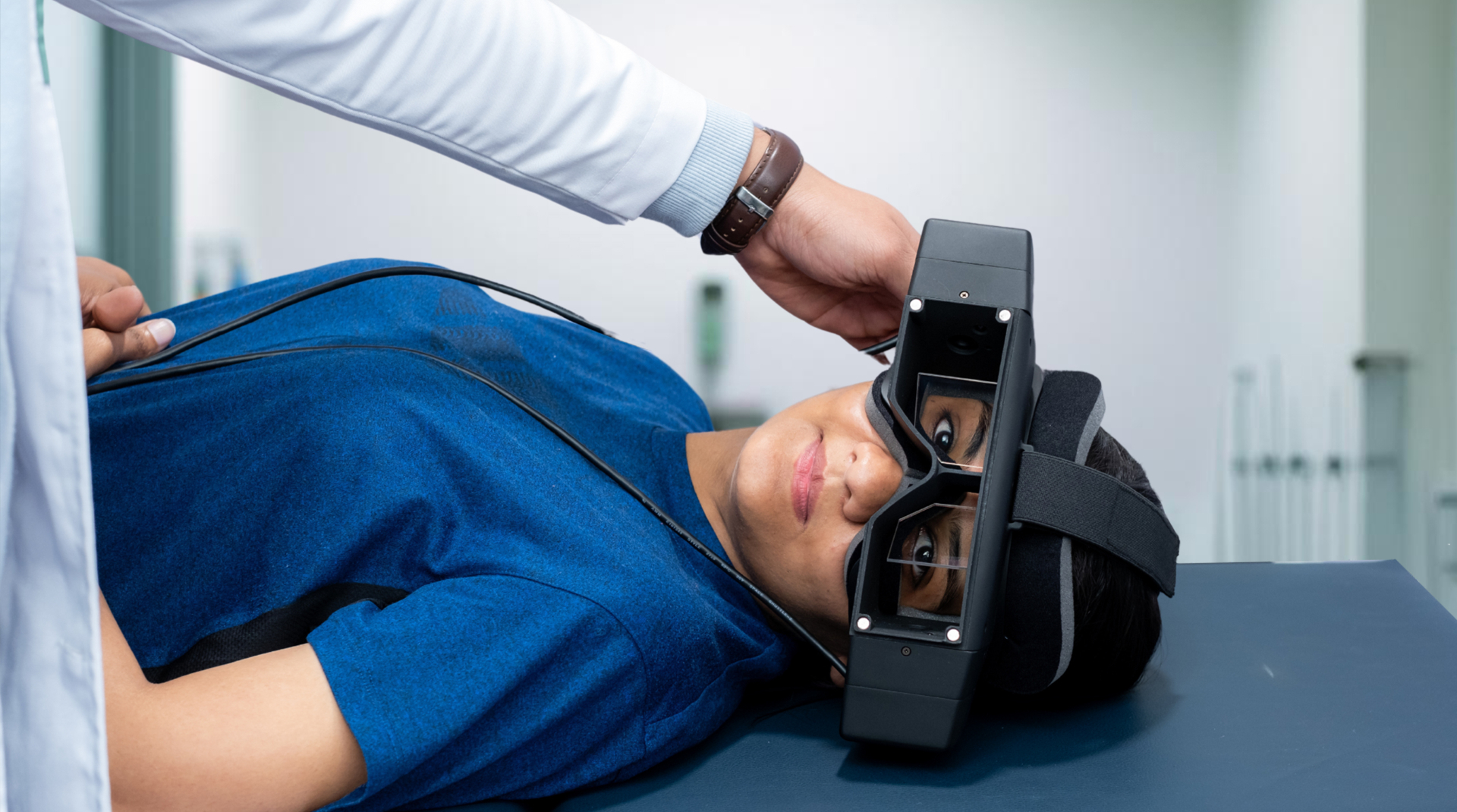
NeuroEquilibrium’s partner clinics in Balasore offers advanced BPPV (Benign Paroxysmal Positional Vertigo) diagnosis and treatments.
Book Consultation
Advanced Diagnostics
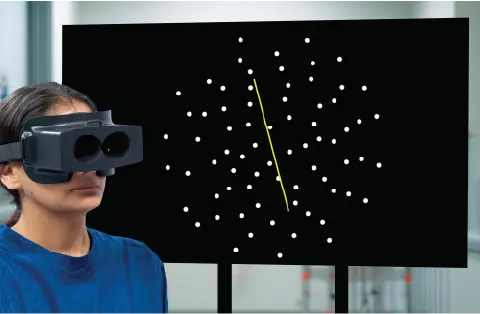
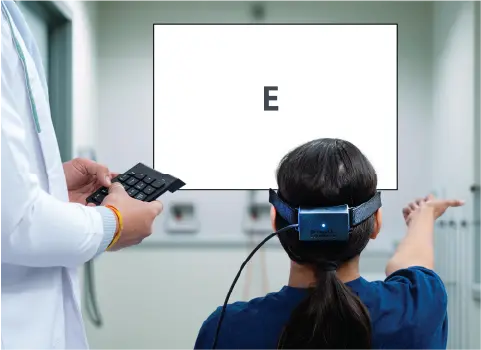
All tests are non-invasive and completed in a single visit.
Preparing for Your Vertigo Assessment
A little preparation can help the vertigo experts understand your symptoms and complete the required assessment efficiently.
Bring previous reports.
Carry previous hearing tests, vestibular reports, MRI/CT reports and prescriptions.
Bring your medicine list.
Bring a list or photo of current medicines; do not stop prescribed medication without advice.
Wear comfortable clothing.
Some assessments involve standing, walking or controlled head and body movement.
Plan your return journey.
Assessments may temporarily reproduce dizziness; avoid driving and consider bringing a companion.
Do not take vestibular suppressant (vertigo medicine) before 6 hours.
These medicines can mask symptoms during tests.
When BPPV May Require Emergency Care
Although BPPV itself is not dangerous, some symptoms indicate a more serious cause and require immediate medical evaluation. Seek urgent care if vertigo is accompanied by:
Patient Voices
Hear it From Our Patients
Real stories of recovery – in their own words, in their own language.
Common questions
FAQ - BPPV Diagnosis & Treatment in Balasore
BPPV (Benign Paroxysmal Positional Vertigo) is a common inner ear problem that causes short spells of spinning when you move your head in certain ways. It happens when tiny calcium crystals leave their usual place and move into a balance canal.
The Epley maneuver, also called the Canalith Repositioning Procedure, is the most effective treatment. It uses slow head and body movements to guide the displaced crystals back into place, takes 10 to 15 minutes, and needs no medication.
Low vitamin D is the deficiency most linked to BPPV, and it is common in people with recurring episodes. Correcting it may help prevent repeat attacks, but an active episode still needs repositioning treatment.
Repositioning maneuvers work well. Clinical studies report that around 80 to 90 percent of patients get complete relief after one or two sessions. A few people need a repeat session if the crystals don't settle fully, and BPPV can come back later, but it responds to treatment each time.
Avoid sudden head movements, looking up, and bending forward quickly, and don't sleep on the affected side. Skip driving and climbing ladders during episodes to prevent falls. identify the exact ear and canal involved, and check for other balance disorders that can mimic BPPV.
Booking ahead is recommended so you don't have to wait, but walk-ins are welcome, subject to availability.
Yes. You can book through our website, call us, or message us on WhatsApp, whichever is easiest for you.
The cost depends on your diagnosis and how many sessions you need. Contact us for a personalised estimate based on your case.